June 3, 2026
Modern homes are increasingly designed with efficiency in mind, where insulation, smart thermostats, and high-performance building materials all work together to reduce energy consumption. Within this broader system, air conditioner installation plays a critical role in determining how effectively a home can maintain comfort without excessive energy use. A properly planned air conditioner installation does more than just cool indoor spaces; it directly influences utility costs, system lifespan, and overall environmental impact.
Demand for cooling systems continues to evolve alongside energy standards. According to Cooling Post, U.S. shipments of central air conditioners and air-source heat pumps totaled 7,749,529 units in 2025, down 20% from 9,681,770 units in 2024. This shift reflects both changing market conditions and growing consumer interest in higher-efficiency systems rather than volume-based replacement cycles. As homeowners prioritize sustainability, air conditioner installation has become a decision that blends comfort with long-term energy strategy.
What Are The Benefits Of Air Conditioner Installation In Energy Efficient Homes?
Energy-efficient homes rely on systems that work in harmony, and air conditioner installation is one of the most impactful components in that equation. When done correctly, it helps regulate indoor temperatures while minimizing wasted energy. One of the primary benefits of air conditioner installation in these environments is improved system performance. Efficient systems require less power to maintain consistent temperatures, which translates into lower monthly utility bills.
Another advantage is environmental impact. Homes that prioritize efficient air conditioner installation tend to produce fewer carbon emissions due to reduced electricity demand. This becomes especially important as energy grids increasingly incorporate renewable sources and aim to reduce peak load stress during hot seasons.
Comfort consistency is also enhanced. Proper air conditioner installation ensures even airflow distribution, reducing hot and cold spots throughout the home. This creates a more stable indoor environment, particularly in tightly sealed, energy-efficient structures where air movement must be carefully managed.
Finally, air conditioner installation can increase property value. Buyers are increasingly aware of long-term operating costs, and a home equipped with an efficient cooling system signals lower future expenses and better energy stewardship.
How To Choose The Right Air Conditioner for an Energy-Efficient Home?
Selecting the right system is a foundational step in successful air conditioner installation. Energy-efficient homes require carefully matched equipment that aligns with square footage, insulation quality, and climate conditions. Oversized systems can short cycle, wasting energy and reducing humidity control, while undersized units struggle to maintain comfort.
Modern high-efficiency systems often include variable-speed compressors and smart thermostatic controls. These features allow the system to adjust output based on real-time demand, which enhances the results of air conditioner installation in tightly sealed homes. When evaluating options, homeowners should also consider SEER ratings, as higher ratings typically indicate better long-term efficiency.
Ducted versus ductless systems also play a role. In homes where ductwork is already optimized, central systems can be highly effective. However, ductless mini-split systems offer zoning advantages that can significantly improve efficiency when paired with precise air conditioner installation.
It is also important to consider compatibility with existing infrastructure. Electrical capacity, insulation levels, and ventilation design all influence how well a new system performs after air conditioner installation is completed.
What Is The Process Of Air Conditioner Installation In Energy Efficient Homes?
The process of air conditioner installation in energy-efficient homes involves several coordinated steps that ensure optimal performance. It begins with a detailed load calculation, which determines the cooling needs of the home based on size, orientation, insulation, and window placement. This step is essential because accurate sizing directly affects efficiency outcomes.
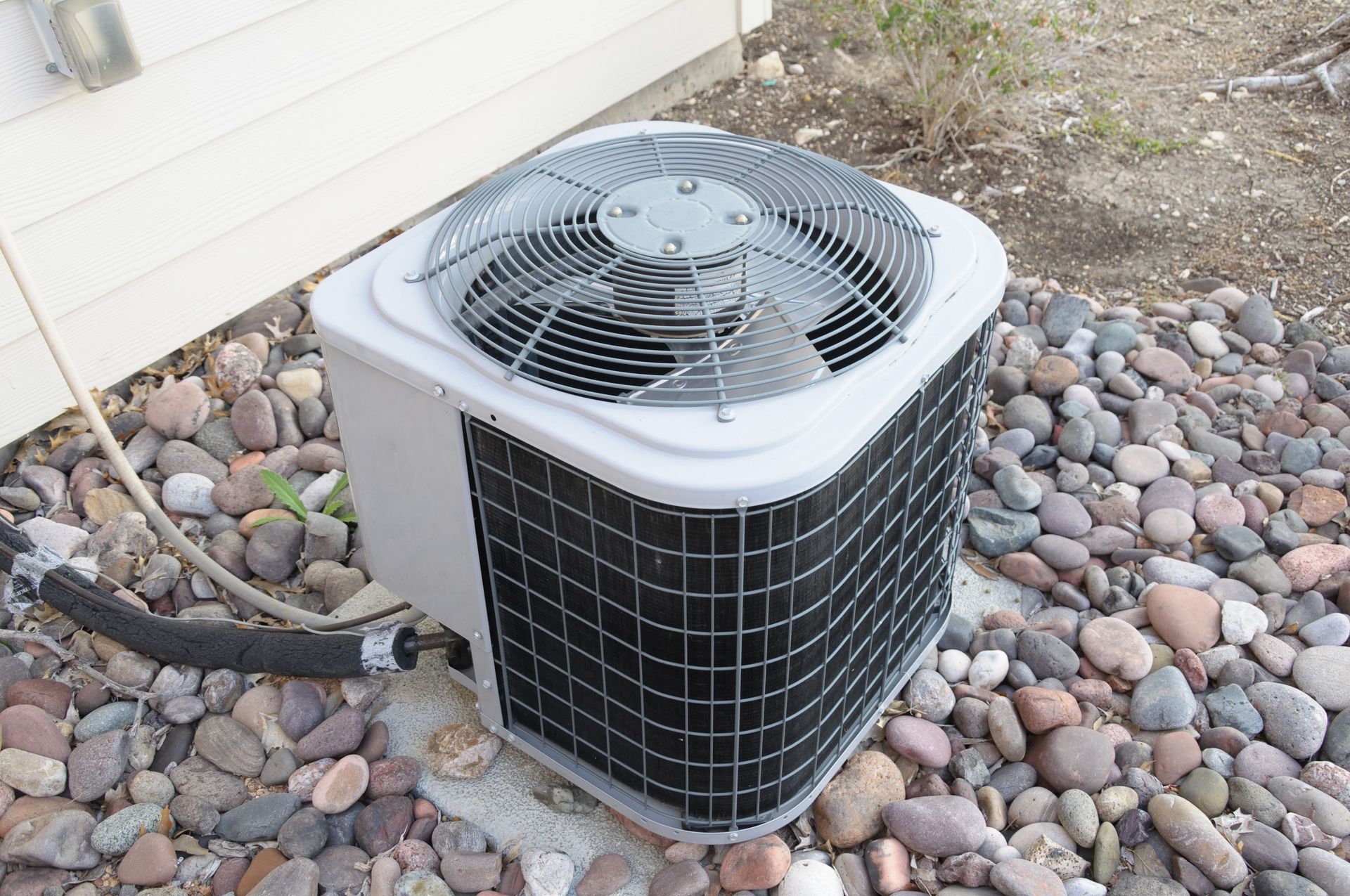
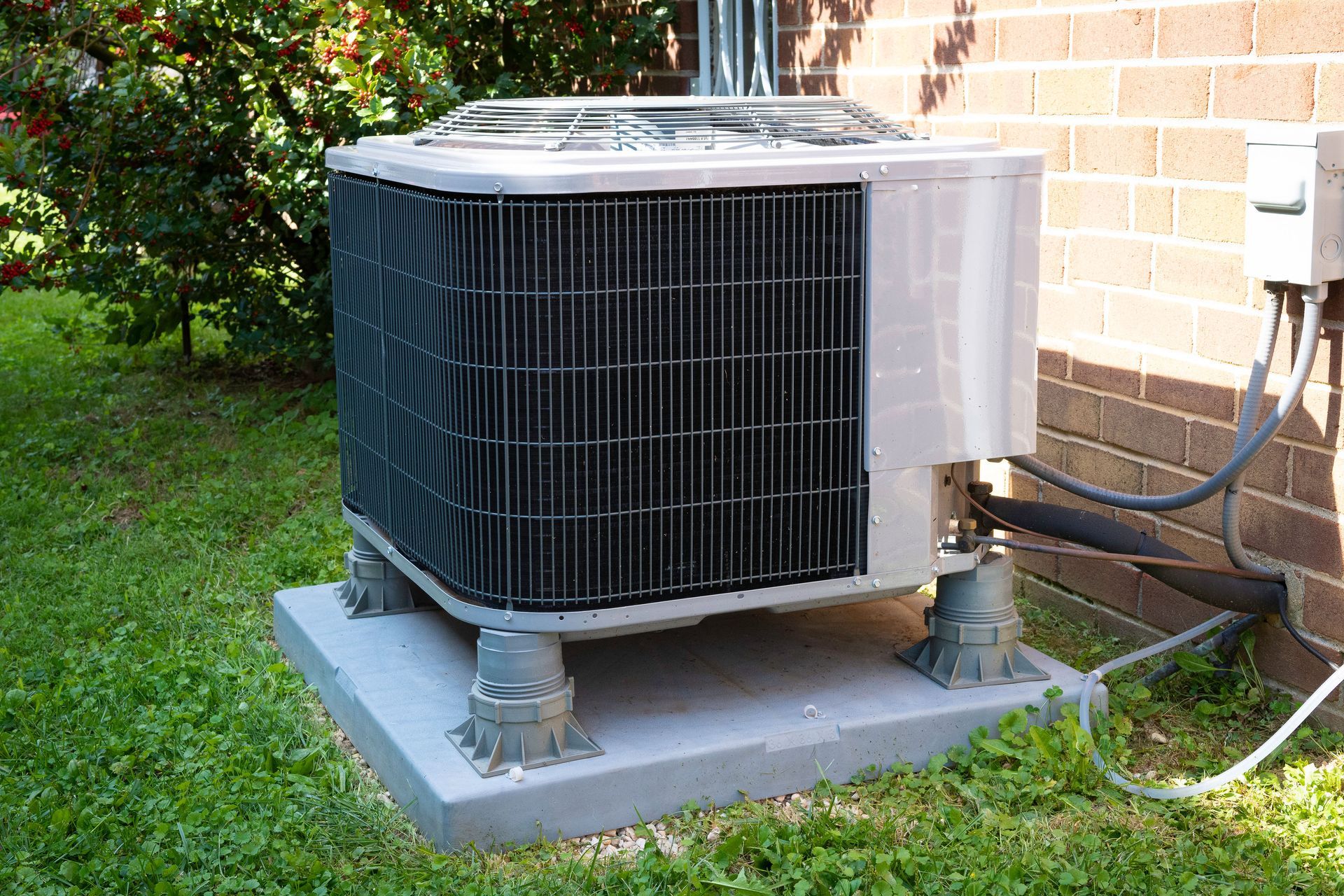
Next comes system selection and placement planning. Proper positioning of indoor and outdoor units ensures balanced airflow and reduces strain on the system. During air conditioner installation, technicians also evaluate ductwork integrity or design new distribution pathways in ductless systems to ensure minimal energy loss.
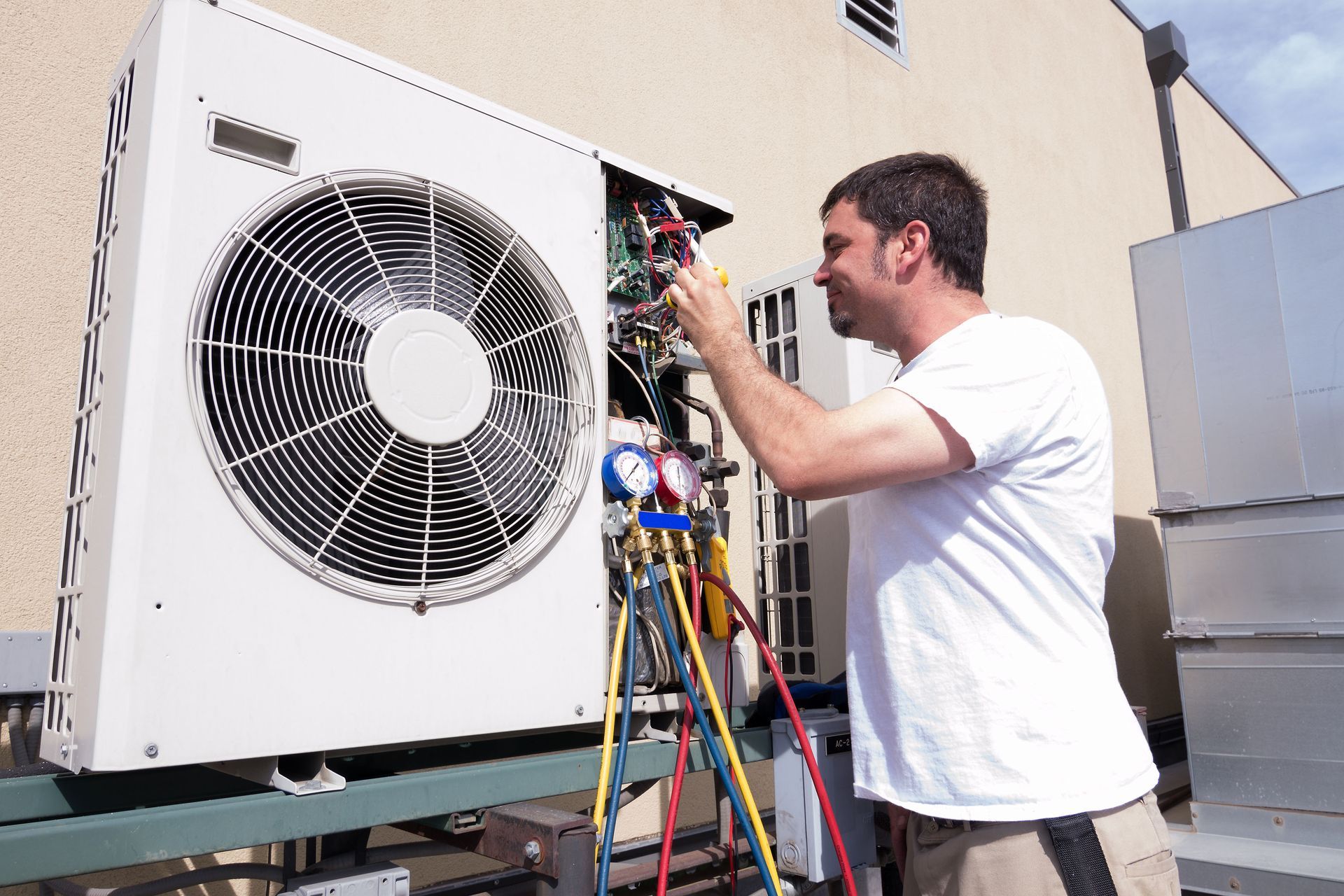
Electrical setup is another critical stage. Energy-efficient homes often include advanced electrical systems, and air conditioner installation must integrate safely with existing circuits while meeting manufacturer specifications. Refrigerant line installation and sealing follow, ensuring that the system maintains proper pressure and avoids leaks that could reduce efficiency.
Once the system is installed, testing and calibration take place. This includes airflow balancing, thermostat configuration, and efficiency verification. A properly executed air conditioner installation ensures the system operates at peak performance from the first cycle.
How Can Proper Installation Affect An Air Conditioner's Energy Efficiency?
The quality of air conditioner installation has a direct and measurable impact on energy efficiency. Even high-efficiency systems can underperform if installed incorrectly. Poor refrigerant charging, improper duct sealing, or incorrect unit sizing can significantly increase energy consumption, often forcing the system to run longer cycles just to achieve the same level of comfort. Over time, this not only drives up utility costs but also places unnecessary strain on system components.
When air conditioner installation is performed correctly, the system operates within its intended parameters. This allows compressors to cycle efficiently, reducing unnecessary energy draw and preventing the system from overworking during peak demand periods. Proper installation also ensures that airflow resistance is minimized, which helps maintain consistent indoor temperatures with less mechanical effort. The result is a smoother, more predictable cooling experience that aligns with the system’s design specifications.
In energy-efficient homes, small installation errors can have amplified effects because these homes are designed to be tightly sealed and highly controlled environments. This means that inefficient air conditioner installation can disrupt carefully balanced ventilation systems and lead to uneven temperature distribution, humidity imbalances, or lingering comfort issues. Even minor inefficiencies become more noticeable in these settings because the home itself is not “leaking” air in ways that might otherwise mask performance problems.
Additionally, correct installation extends equipment lifespan. Systems that operate under optimal conditions experience less wear and tear, reducing maintenance costs and delaying replacement needs. Over time, this translates into better long-term value and fewer service interruptions, reinforcing the importance of precision and attention to detail during the installation process.
What Are Common Mistakes To Avoid During Air Conditioner Installation?
Several common mistakes can compromise the effectiveness of air conditioner installation in energy-efficient homes. One of the most frequent issues is improper sizing. Installing a system that is too large or too small leads to inefficient cycling and uneven temperature control.
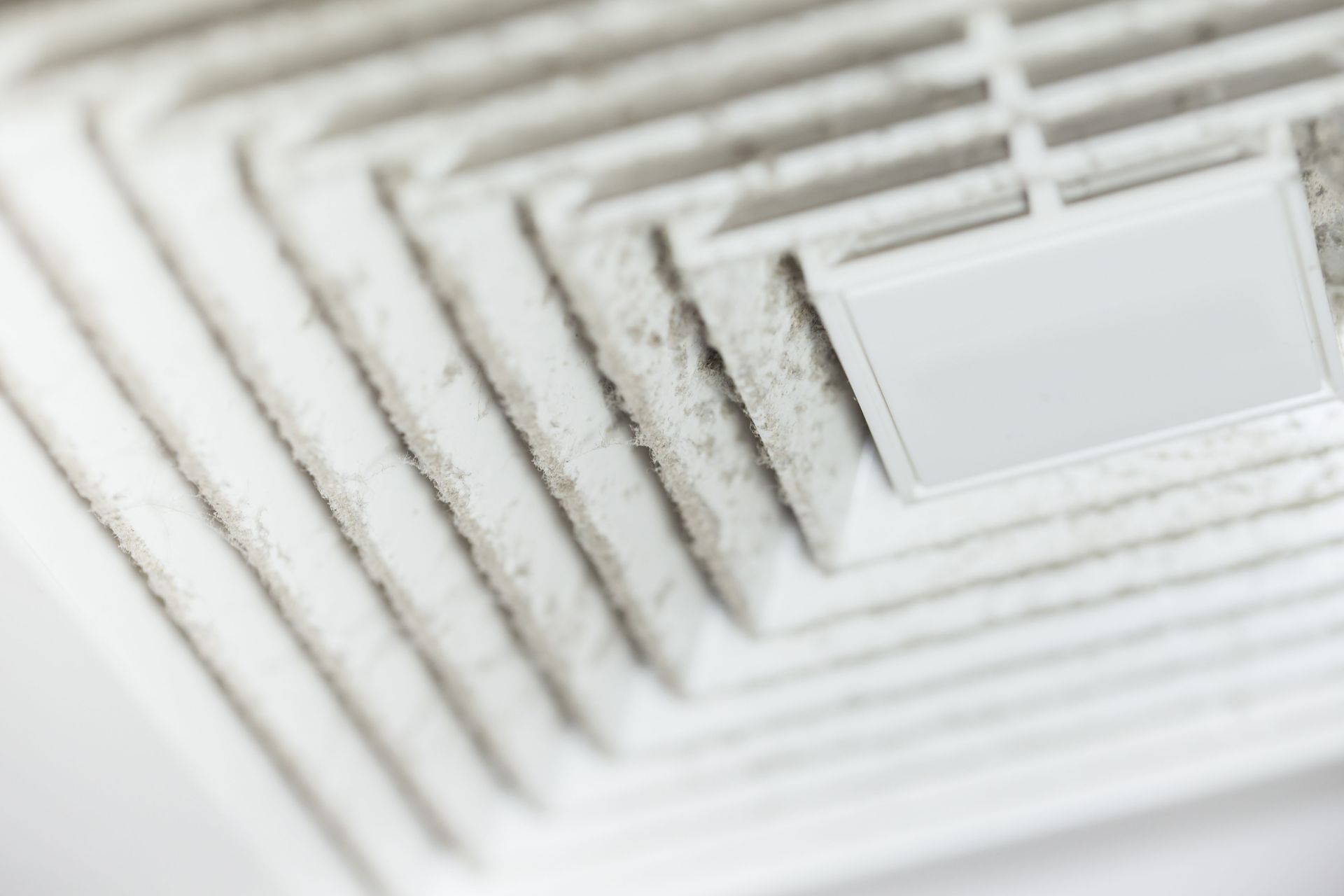
Another mistake involves poor ductwork design or sealing. Even small leaks can significantly reduce the efficiency of air conditioner installation by allowing conditioned air to escape before reaching living spaces. This forces the system to work harder, increasing energy consumption.
Incorrect refrigerant levels are also a concern. Too much or too little refrigerant reduces system efficiency and can damage components over time. Proper air conditioner installation requires precise calibration to the manufacturer's specifications.
Additionally, poor thermostat placement can distort temperature readings, causing the system to run unnecessarily or shut off too early. This undermines the benefits of energy-efficient design.
Finally, skipping post-installation testing is a critical oversight. Without verifying system performance after air conditioner installation, inefficiencies may go unnoticed until energy bills increase or comfort issues arise.
In energy-efficient homes, comfort and sustainability depend heavily on the quality of system integration, and air conditioner installation is central to that balance. From selecting the right equipment to ensuring precise setup and calibration, every step influences long-term performance and energy consumption. When properly executed, air conditioner installation leads to lower utility costs, improved indoor comfort, and reduced environmental impact, making it an essential component of modern home efficiency planning. If you're looking for
air conditioner installation, reach out to the team of professionals at Comfort Zone Air Conditioning & Heating LLC today!