July 18, 2026
Upgrading a home AC system is an important decision that can improve comfort, efficiency, and long-term reliability. Understanding available options and working with a professional air conditioner installation service helps homeowners choose a system that fits their needs and property.
1. Evaluate Your Current AC System’s Performance
Before upgrading an AC system, homeowners should evaluate how well their current equipment is performing and identify any ongoing concerns. Frequent repairs, inconsistent temperatures, unusual sounds, and rising energy bills may indicate that an upgrade is worth considering. An aging system may struggle to provide reliable cooling during periods of extreme heat, reducing overall comfort throughout the home. A professional AC installer can assess the condition of the existing equipment and determine whether replacement or improvements would provide the best long-term solution. Understanding the limitations of the current system helps homeowners make informed decisions about future cooling needs. A detailed evaluation creates a strong starting point for planning an effective AC upgrade.
2. Understand Your Home’s Cooling Requirements
Every home has different cooling requirements based on factors such as size, layout, insulation, windows, and household usage patterns. Choosing an AC system that matches the specific needs of the property is essential for achieving consistent comfort and efficient operation. An oversized system may cycle on and off too frequently, while an undersized system may struggle to maintain desired temperatures. A professional air conditioner installation service can evaluate the home and recommend equipment that provides the appropriate level of cooling performance. Proper system sizing supports better efficiency, improved humidity control, and dependable operation. Understanding your home’s requirements helps ensure the new AC system delivers the expected benefits.
3. Consider Energy Efficiency Improvements
Energy efficiency is one of the most important factors homeowners consider when investing in air conditioner installation. Modern cooling equipment is designed with advanced technology that can help reduce energy consumption while maintaining comfortable indoor temperatures. According to the U.S. Department of Energy, air conditioners use about 6% of all the electricity produced in the United States, at an annual cost of about $29 billion to homeowners. Upgrading to a more efficient system may help homeowners manage energy costs while improving overall performance. A professional AC installer can explain efficiency ratings and recommend options that align with the home’s needs. Choosing an efficient system provides long-term value by balancing comfort with responsible energy use.
4. Explore Different AC System Options
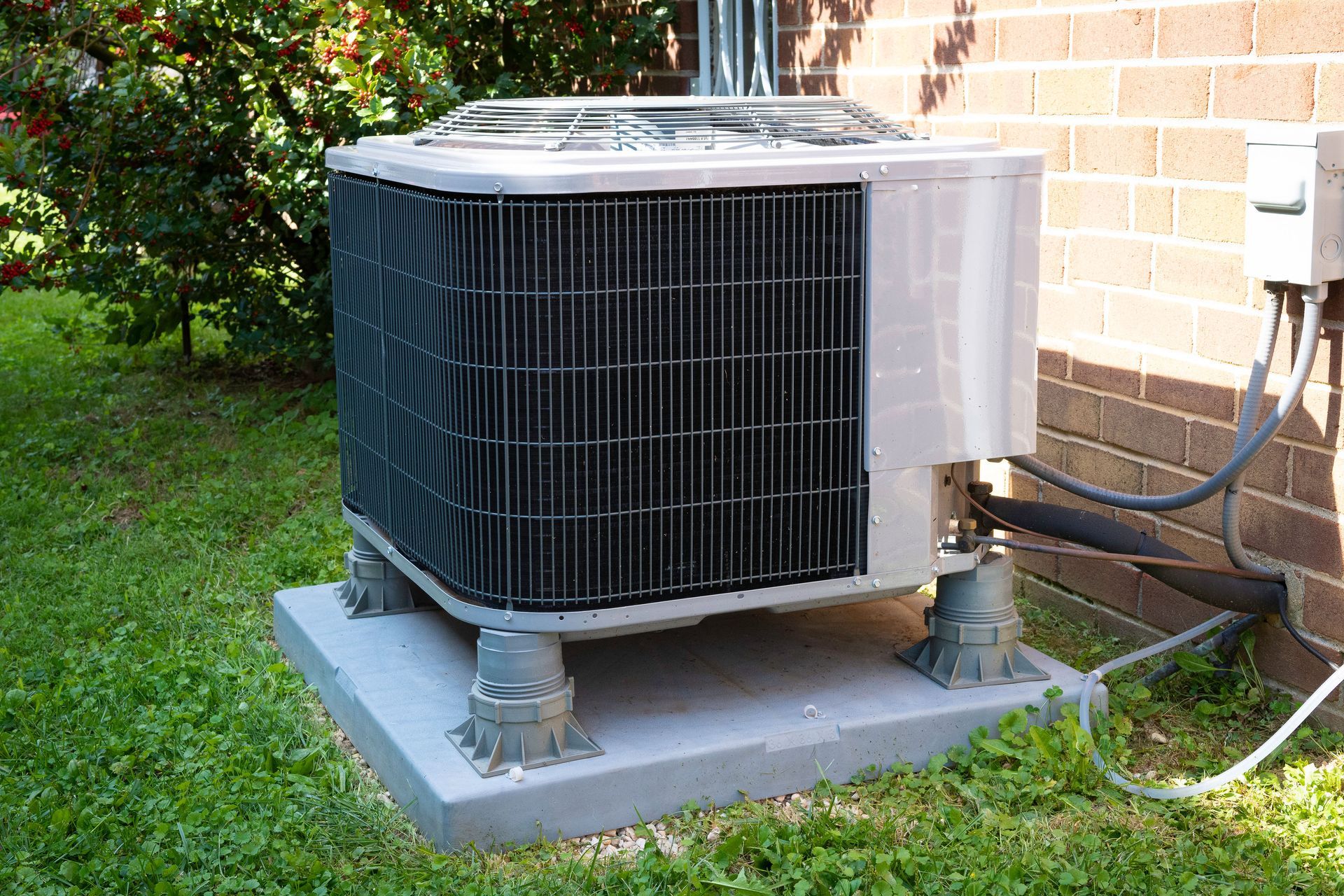
Homeowners have several AC system options available, and understanding the differences between them can make the selection process easier. Central air conditioning systems remain a popular choice for many homes because they provide whole-house cooling through existing ductwork. Other options, such as ductless systems, may provide targeted cooling for specific areas or homes without traditional duct systems. Each option offers unique advantages depending on the property layout, budget, and comfort preferences. A professional air conditioner installation service can explain the benefits of each system and help determine which solution best fits the home. Exploring available choices ensures homeowners invest in equipment that meets their expectations.
5. Review Indoor Comfort Features
Modern AC upgrades can provide more than basic cooling by offering features designed to improve overall indoor comfort. Advanced systems may include improved humidity control, quieter operation, enhanced filtration, and smart thermostat compatibility. These features allow homeowners to create a more comfortable and convenient living environment throughout the year. A professional AC installer can help identify which features provide the greatest value based on household preferences and lifestyle needs. Considering comfort enhancements during an upgrade ensures the new system supports more than just temperature control. Thoughtful planning helps homeowners maximize the benefits of their investment.
6. Understand the Importance of Professional Installation
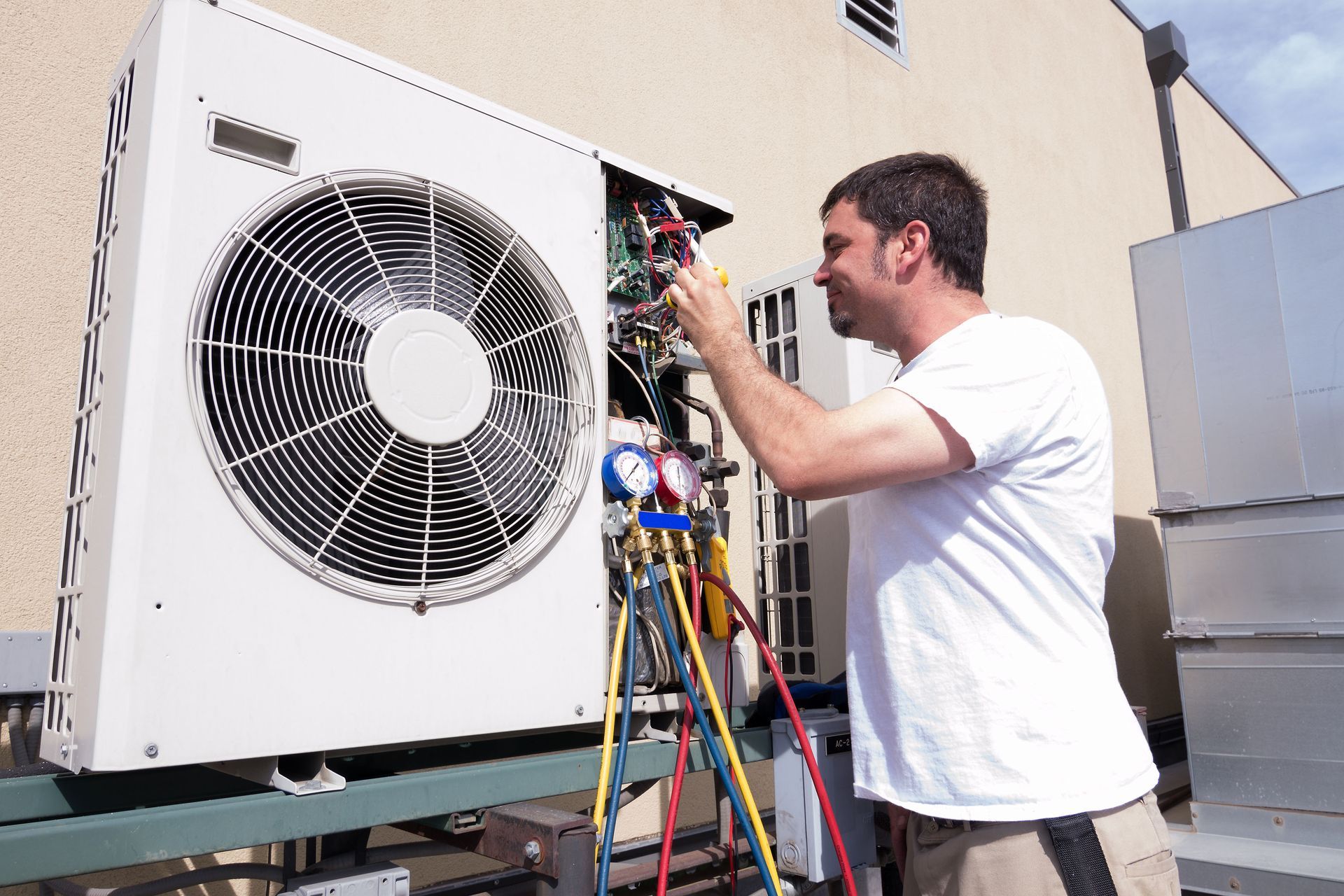
The quality of an AC installation plays a major role in how well the system performs throughout its lifespan. A professional AC installer ensures equipment is properly selected, positioned, connected, and configured according to manufacturer specifications. Proper installation helps prevent performance issues that can affect efficiency, comfort, and reliability. Experienced installers also understand how different home layouts and electrical requirements influence system operation. Investing in professional air conditioner installation supports better results and helps protect the value of the new equipment. Quality workmanship is an essential part of a successful AC upgrade.
7. Consider Long-Term Maintenance Needs
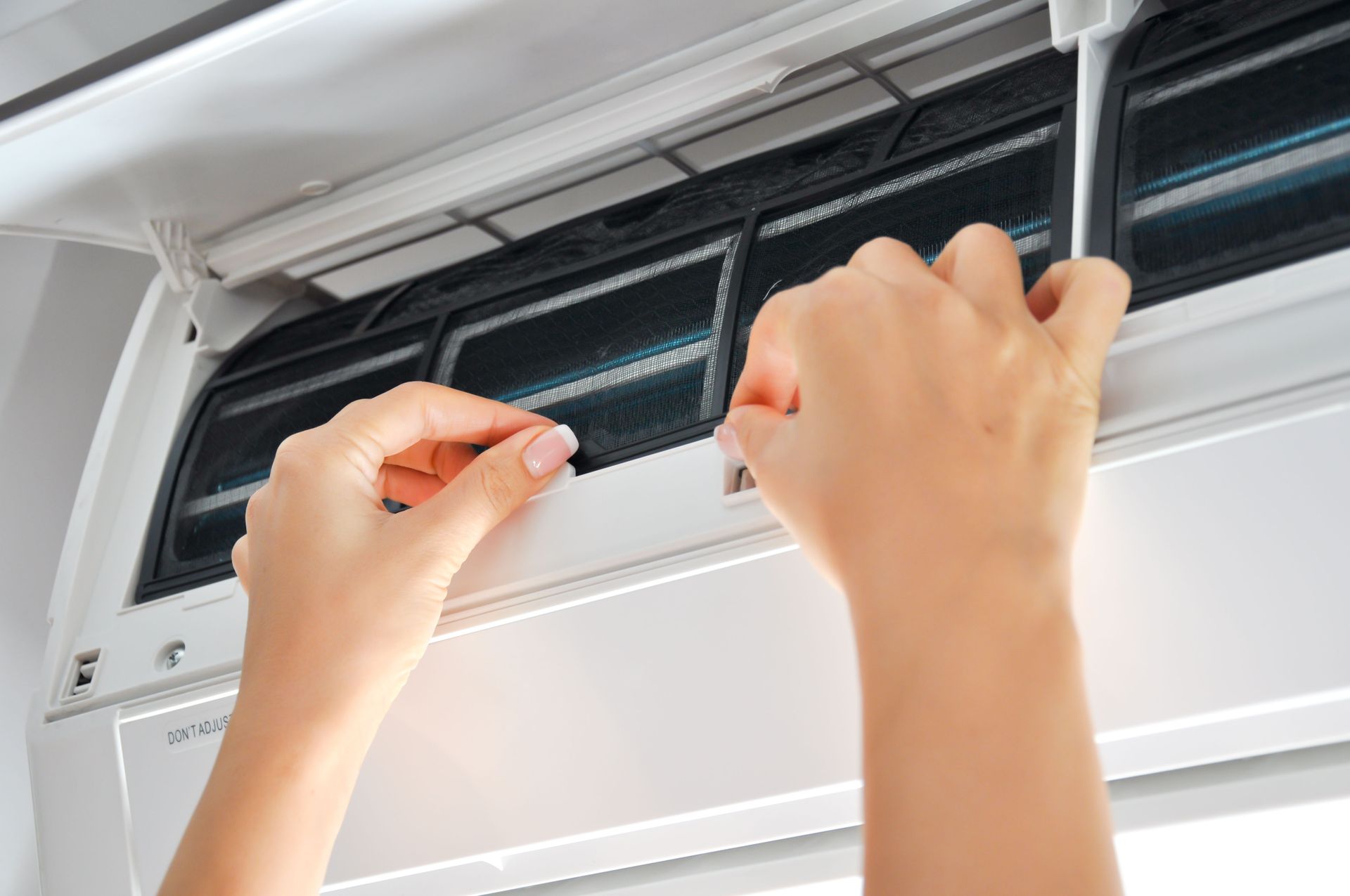
Homeowners should consider maintenance requirements before choosing a new AC system because regular service helps preserve performance over time. Different systems may have unique maintenance for filters, components, airflow, and overall operation. A professional AC installer can explain recommended maintenance schedules and provide guidance for keeping the equipment running efficiently. Routine care helps identify potential concerns before they lead to larger problems. Maintaining the system properly can also support a longer operational lifespan. Planning for maintenance from the beginning helps homeowners protect their investment.
8. Improve Air Quality Along With Cooling
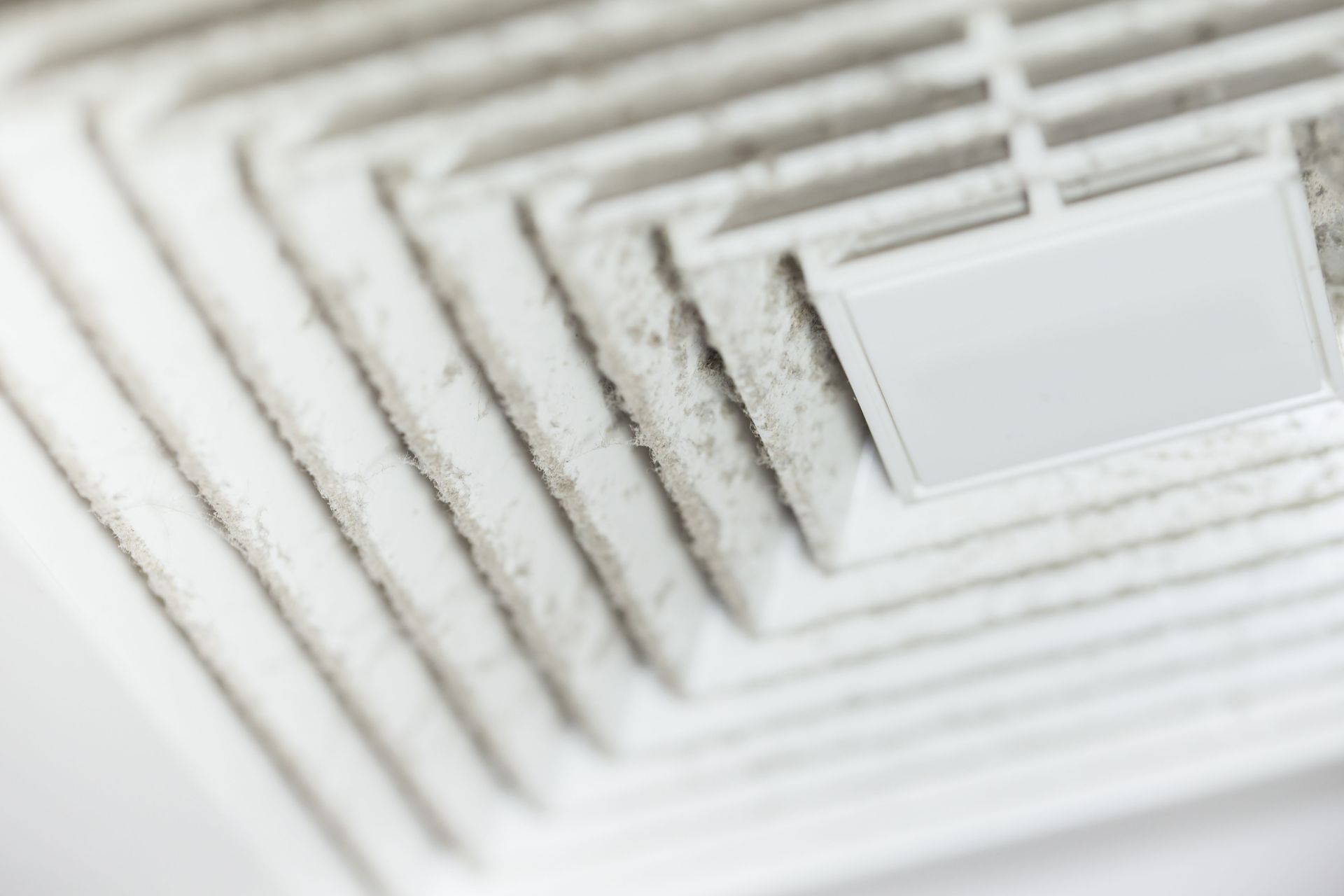
An AC upgrade provides an opportunity to improve indoor air quality while enhancing home comfort. Modern cooling systems can work alongside filtration and ventilation features designed to reduce airborne particles and improve air circulation. Cleaner indoor air can contribute to a more comfortable environment for household members, especially during periods when windows remain closed. A professional air conditioner installation company can recommend compatible features that support both cooling performance and indoor air quality goals. Combining comfort and air quality improvements creates a more complete home environment. Considering these factors during an upgrade allows homeowners to address multiple needs at once.
9. Think About Smart Technology Integration
Smart technology has become an increasingly popular feature in modern AC systems because it provides homeowners with greater control over their indoor environment. Smart thermostats and connected controls allow users to adjust settings, monitor usage, and manage comfort more conveniently. These features can help homeowners better understand their cooling habits and make adjustments that support efficient operation. A professional AC installer can recommend smart solutions that are compatible with the selected AC equipment. Integrating technology into an upgrade can make daily comfort management easier and more convenient. Smart features add another level of flexibility to modern home cooling systems.
10. Plan Your Upgrade Around Your Home’s Future Needs
An AC upgrade should be viewed as a long-term investment rather than a short-term improvement. Homeowners should consider future changes such as renovations, increased occupancy, or evolving comfort preferences when selecting new equipment. Planning ahead helps ensure the system continues meeting household needs for many years. A professional air conditioner installation company can provide recommendations based on both current requirements and future expectations. Choosing the right system today can prevent unnecessary limitations later. Long-term planning helps homeowners achieve dependable comfort and better overall value.
11. Compare Costs and Potential Savings
Understanding the costs associated with an AC upgrade helps homeowners make confident decisions about their investment. While equipment prices and installation expenses are important considerations, long-term operating costs should also be evaluated. More efficient systems may provide savings over time through improved performance and reduced energy consumption. A professional AC installer can explain available options and help homeowners compare the benefits of different systems. Looking beyond the initial price provides a clearer picture of the overall value. Careful financial planning supports a successful and worthwhile upgrade.
Upgrading a home AC system requires careful planning, professional guidance, and an understanding of long-term comfort goals. Working with a professional air conditioner installation service helps homeowners choose efficient equipment that improves reliability, performance, and indoor comfort. To learn more, contact our team at Comfort Zone Air Conditioning & Heating LLC today!