July 20, 2026
Few home systems work as hard, or as quietly in the background, as your air conditioner, keeping indoor temperatures comfortable through the hottest months of the year without much thought from most homeowners. Yet like any mechanical system, an air conditioner has a limited lifespan, and knowing when to repair versus replace it can save homeowners significant money and frustration in the long run. Many people continue running an aging system well past its prime, unaware of how much money they're losing to inefficiency or how close they might be to a complete breakdown. Understanding the signs that indicate it's time for a replacement, rather than another repair, can help homeowners make a more informed, timely decision. Modern systems have also come a long way in terms of efficiency, a shift that traces back further than many people realize. According to Workyard, the energy crisis of the 1970s forced the HVAC industry to focus on energy efficiency, which led to the development of more energy-saving systems that continue to improve today. Below, we'll explore the key signs that suggest it might be time to replace your air conditioner.
Considering the Age of Your System
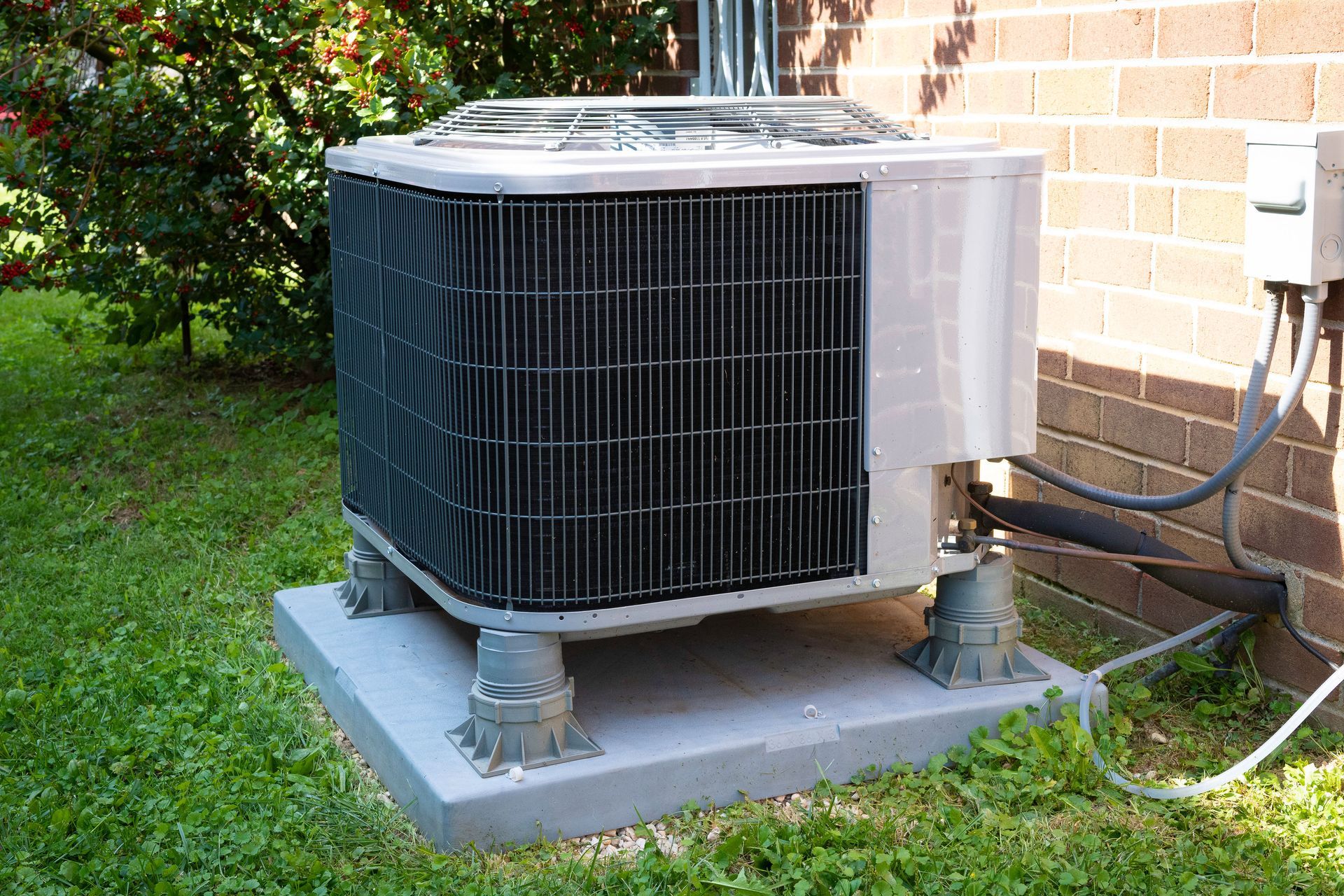
One of the most straightforward indicators of whether it's time to replace an air conditioner is simply its age, since most systems have a typical lifespan of around 10 to 15 years with proper maintenance. As a system approaches or exceeds this range, the likelihood of frequent breakdowns and declining efficiency increases significantly, even if it appears to be functioning adequately on the surface. Older units also tend to rely on outdated technology and refrigerants that are less efficient and, in some cases, becoming harder to source for repairs. If your air conditioner is nearing the higher end of its expected lifespan, it may be more cost-effective to invest in a new system rather than continuing to pour money into repairs for an aging unit. Considering the age of your system alongside its overall performance provides a helpful starting point for this decision.
Evaluating Frequency of Repairs
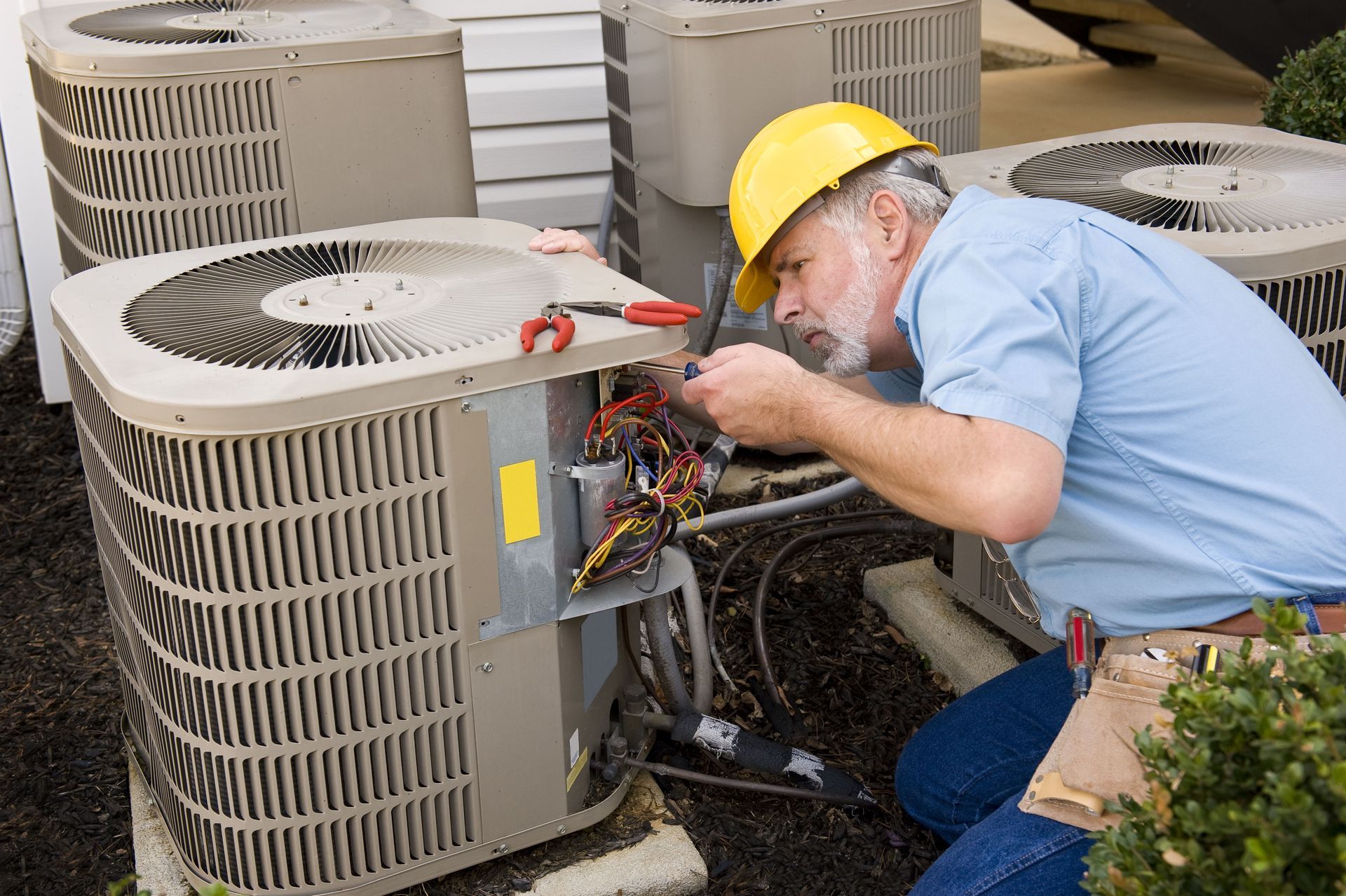
If you find yourself calling for repairs more and more often, this pattern is often a strong indication that your air conditioner is nearing the end of its functional life. While an occasional repair is a normal part of system ownership, a noticeable increase in frequency, especially for different components each time, suggests that the unit's overall reliability is declining. These recurring repair costs can add up quickly, often surpassing what a homeowner would have spent on a new, more reliable system over the same period. A helpful rule of thumb many professionals use is comparing the cost of a major repair to the cost of replacement, generally favoring replacement if a single repair exceeds a significant percentage of a new system's cost. Recognizing this pattern early can help homeowners avoid throwing money at a system that's simply reached the end of its useful life.
Noticing Rising Energy Bills
A gradual, unexplained increase in energy bills is often one of the clearest signs that an air conditioner is losing efficiency, even if the system still appears to be cooling the home adequately. As components wear down internally, a unit has to work harder to achieve the same level of cooling, consuming more energy in the process without any noticeable change in comfort. This decline in efficiency often happens slowly enough that homeowners don't immediately connect rising bills to their cooling system, especially if usage patterns haven't otherwise changed. Comparing energy bills from the same months in previous years can help reveal this kind of gradual increase, offering a useful data point when evaluating whether replacement makes financial sense. Modern, energy-efficient systems can often significantly reduce these costs, making a new air conditioner a worthwhile long-term investment for homeowners noticing this troubling trend.
Experiencing Inconsistent Cooling Throughout the Home
An aging or struggling air conditioner often has difficulty maintaining consistent temperatures throughout different areas of the home, leaving some rooms noticeably warmer or cooler than others. This inconsistency can stem from various issues, including declining compressor performance, ductwork problems, or a system that's simply undersized or outdated for the home's current needs. While minor temperature variations are normal in any home, significant or worsening inconsistency often points to a system that's no longer capable of performing as it should. This uneven cooling can be particularly frustrating during peak summer heat, when consistent comfort matters most throughout the entire living space. Replacing an air conditioner that's struggling with this issue often restores more even, reliable comfort throughout the home.
Dealing With Excessive Noise During Operation
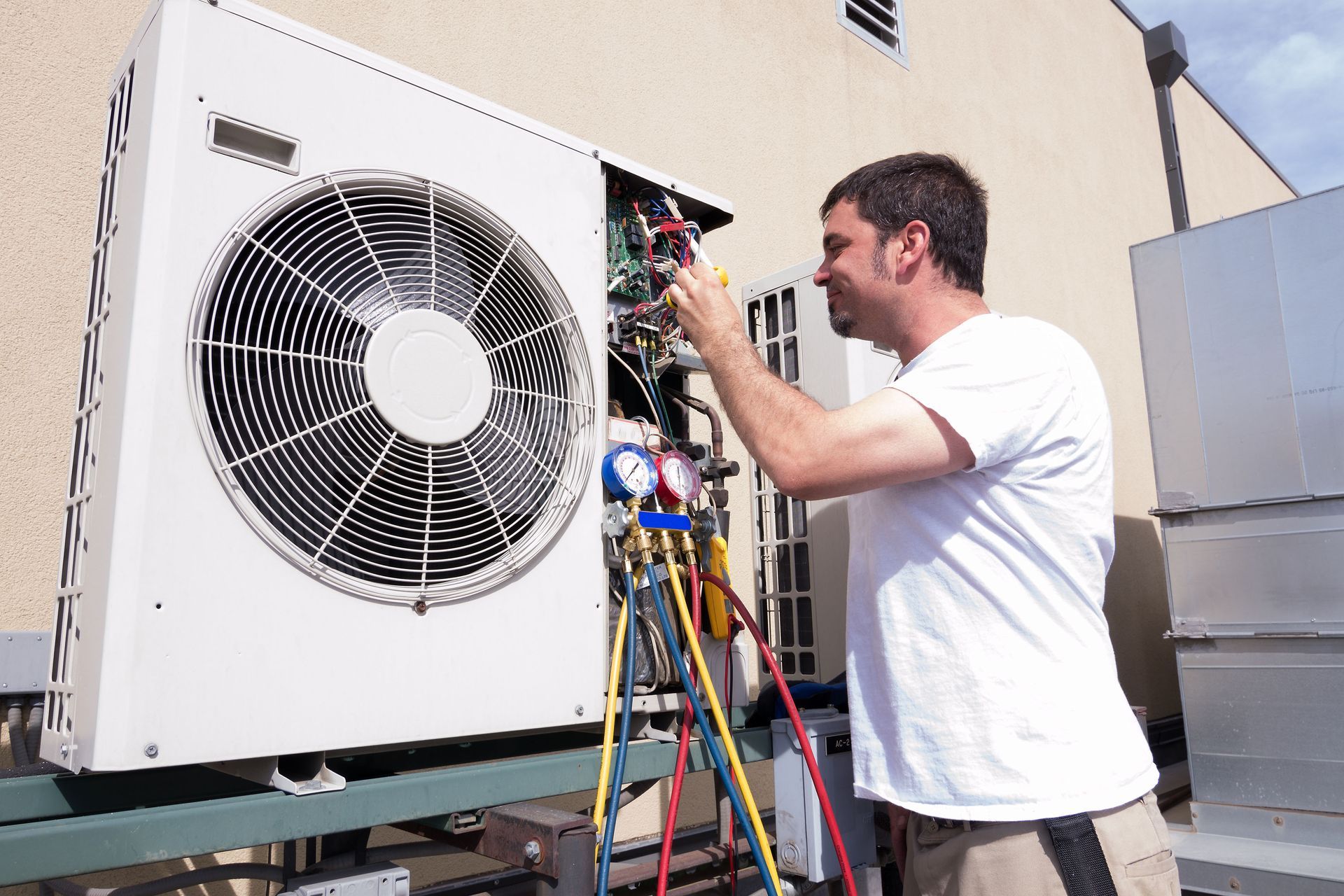
While air conditioners naturally produce some operational noise, a system that's become notably louder, or one that's developed new rattling, grinding, or squealing sounds, often signals worn internal components nearing failure. These sounds can indicate issues with the compressor, fan motor, or other mechanical parts that are becoming increasingly unreliable as the system ages. While some noise issues can be addressed through repair, persistent or worsening noise problems in an older system often suggest that replacement will ultimately be the more practical, cost-effective solution. Excessive noise can also simply become a quality-of-life issue, particularly for homeowners who find the sound disruptive during daily activities or sleep. Addressing this concern through replacement not only resolves the noise issue but often comes with the added benefit of improved overall system performance.
Recognizing Outdated Refrigerant Requirements
Many older air conditioning systems rely on refrigerants that have since been phased out or restricted due to environmental regulations, making repairs involving refrigerant increasingly expensive and, in some cases, difficult to source. If your system requires a refrigerant that's no longer widely produced, even minor repairs involving refrigerant leaks can become significantly more costly than they would be with a modern system. This outdated refrigerant dependency is a practical, often overlooked reason why replacing an older air conditioner can make more financial sense than continuing to repair it. Newer systems use more current, environmentally friendly refrigerants that are both more readily available and often more efficient overall. Recognizing this factor can help homeowners understand why repair costs for older systems sometimes increase disproportionately compared to what might be expected.
Weighing the Benefits of Modern Efficiency Standards
Today's air conditioning systems are built with significantly improved efficiency standards compared to units manufactured even a decade ago, offering homeowners the opportunity for meaningful long-term energy savings. This ongoing push toward efficiency has roots that go back decades, evolving substantially since manufacturers were first prompted to prioritize energy-conscious design. Modern systems often include features like variable-speed compressors and smart thermostat integration, allowing for more precise, efficient cooling compared to older, single-stage systems. When weighing the decision to replace an aging air conditioner, it's worth considering not just the immediate repair costs, but the long-term savings and improved comfort that come with upgrading to a more efficient, modern system. This broader perspective often reveals that replacement offers far more value than simply keeping an older unit running as long as possible.
At Comfort Zone Air Conditioning & Heating LLC, we understand how important a properly functioning
air conditioner is to your comfort throughout the year, and we're committed to helping homeowners make informed decisions about repair versus replacement. Our experienced team provides honest assessments of your system's condition, helping you understand the most cost-effective path forward based on your specific situation. We believe that transparency and quality service are essential to building trust with our customers, and we're dedicated to guiding you through every step of the process. Whether you're dealing with frequent repairs, rising energy bills, or simply want a professional opinion on your system's condition, our knowledgeable team is here to help. If you're wondering whether it's time to replace your air conditioner, contact Comfort Zone Air Conditioning & Heating LLC today to schedule your consultation.