August 3, 2026
According to the U.S. Department of Energy, high indoor CO2 is a useful indicator of poor ventilation. Keeping HVAC equipment properly maintained can help support efficient performance while improving comfort throughout the year. Understanding how your system works and recognizing common warning signs can help you make informed decisions about maintenance, repairs, and future equipment replacement.
Essential HVAC System Components
Understand How The System Works
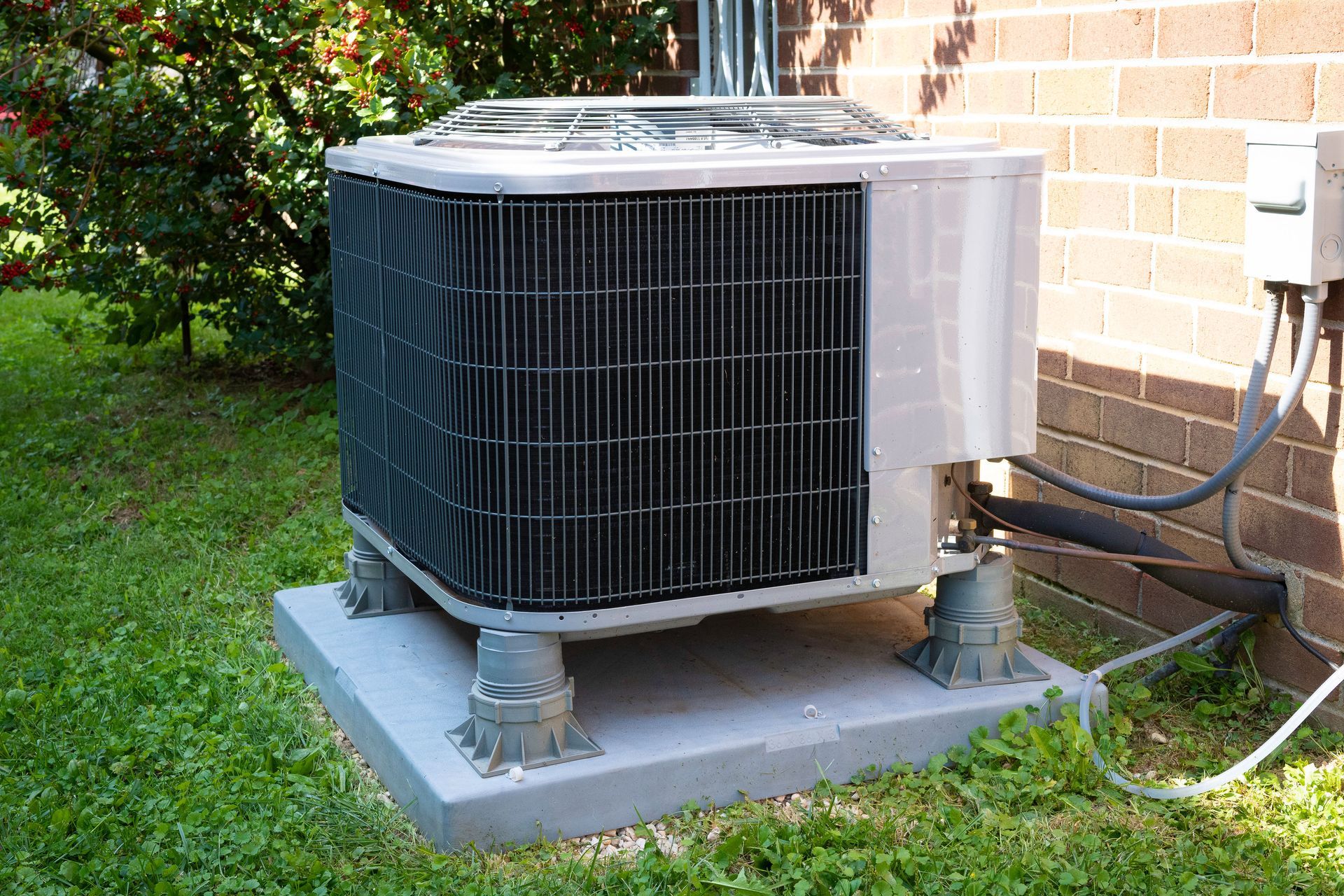
A residential HVAC system includes several components that work together to heat or cool your home. Air conditioners remove heat from indoor spaces during warmer months, while furnaces and heat pumps provide heating when outdoor temperatures decline. Air handlers help circulate conditioned air, and thermostats allow homeowners to control indoor temperatures based on their comfort preferences.
Recognize Early Warning Signs
HVAC systems often provide noticeable signs before experiencing major failures. You may notice rooms that are warmer or cooler than expected, equipment that cycles more frequently than usual, or unusual sounds during operation. Some homeowners also observe longer run times or increasing utility bills despite maintaining similar thermostat settings.
Paying attention to these changes can help homeowners identify when service may be necessary. Addressing concerns early can help prevent additional strain on HVAC equipment. Regular evaluations also provide insight into the condition and performance of the system.
Understand Routine Maintenance Value
Regular HVAC maintenance helps technicians evaluate system performance before seasonal demand increases. During routine service appointments, equipment can be inspected, cleaned, and tested to identify developing concerns. Small adjustments completed during maintenance visits often help systems continue operating efficiently throughout the heating or cooling season.
Keep Major Components Connected
Heating and cooling equipment performs best when every major component operates efficiently. Air conditioners, furnaces, heat pumps, air handlers, and thermostats all contribute to overall system performance. If one component begins experiencing problems, it can affect comfort throughout the home and cause strain on other parts of the system.
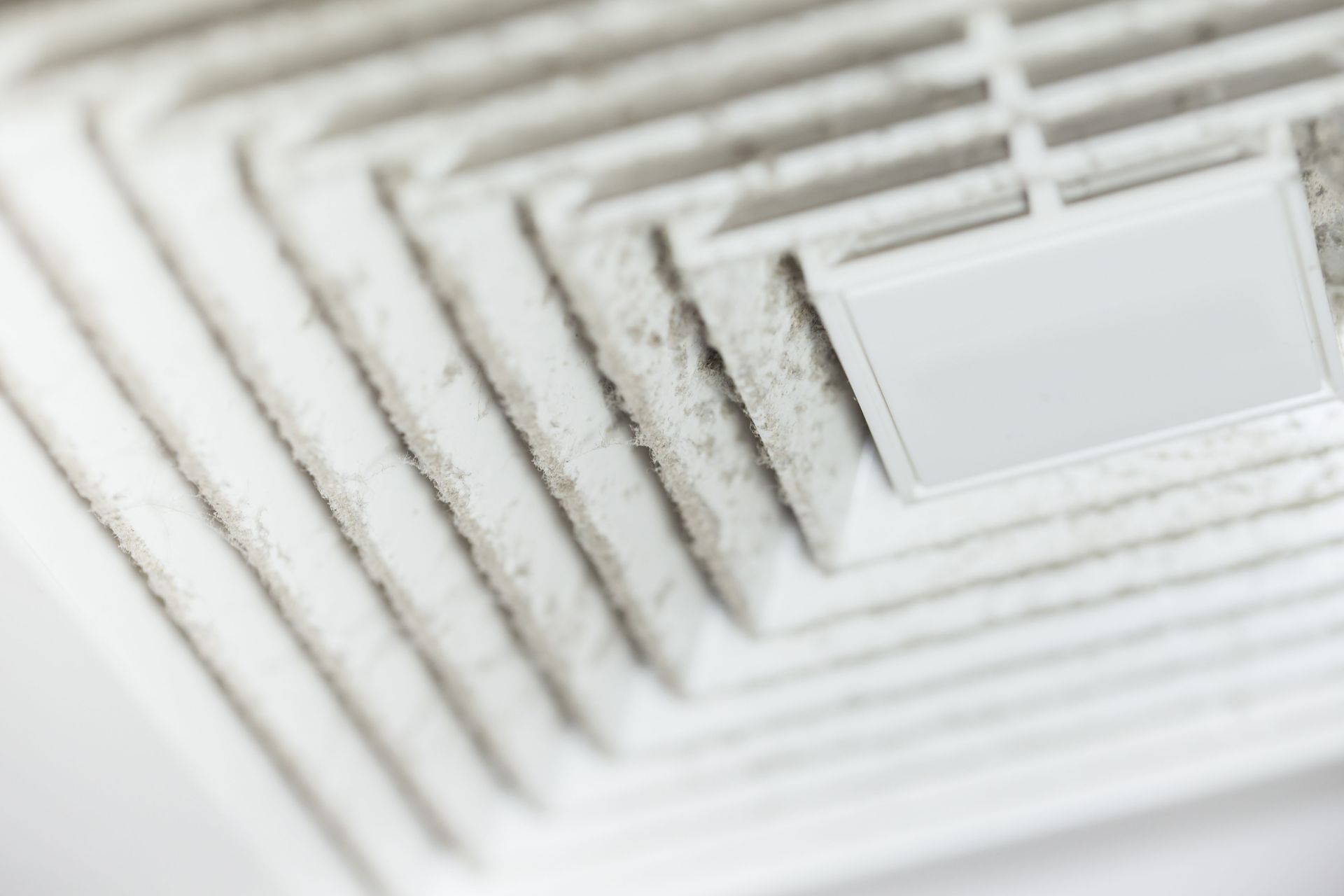
Air duct repairs may be necessary when airflow concerns affect how conditioned air moves throughout a property. Proper evaluation of HVAC components allows technicians to determine the source of performance issues. This helps homeowners understand which services may improve system operation.
Recognize When Repairs Are Needed
Even well-maintained HVAC equipment experiences normal wear over time. Mechanical components gradually age through regular use, making occasional repairs a normal part of system ownership. Prompt repairs help restore performance while reducing unnecessary stress on the remaining equipment.
Common HVAC Performance Challenges
Prevent Seasonal Wear
Heating and cooling systems experience their greatest workload during periods of extreme weather. Long operating cycles during hot summers or cold winters naturally increase wear on equipment. Preparing your system with seasonal maintenance before these periods arrive allows technicians to identify developing concerns and verify that equipment is ready for increased demand.
Regular service can also reveal concerns affecting system efficiency and airflow. When issues involving air duct repairs are identified, addressing them as part of overall HVAC care may help support proper operation. Seasonal preparation helps homeowners maintain a more comfortable indoor environment.
Address Heating Problems Early
Heating systems may develop performance issues gradually. Uneven temperatures, delayed startup, unusual noises, or insufficient heating output can indicate that service is needed. Furnaces and heat pumps should be inspected whenever homeowners notice changes in performance or comfort levels.
Professional heating service helps determine whether repairs or adjustments are needed. If airflow concerns contribute to reduced comfort, air duct repairs may be considered during the evaluation process. Identifying the cause of heating problems allows for more targeted solutions.
Resolve Cooling Issues Quickly
Air conditioning systems rely on multiple components working together to maintain comfortable indoor temperatures. If cooling performance declines, homeowners may notice longer run times, warmer indoor conditions, or inconsistent airflow. These changes should be evaluated before they lead to additional system stress.
Professional cooling service can help identify the cause of reduced performance and determine the appropriate solution. In some cases, air duct repairs may be recommended when airflow concerns affect system operation. Addressing cooling issues promptly helps support consistent comfort throughout the home.
Monitor Overall System Performance
Changes in daily HVAC operation often provide valuable insight into equipment condition. Frequent cycling, unusual sounds, inconsistent temperatures, or unexpected increases in energy usage may all indicate that maintenance or repairs are needed. Paying attention to these changes allows homeowners to schedule service before comfort is significantly affected.
Valuable HVAC Maintenance Benefits
Improve Heating Efficiency
Routine maintenance helps heat equipment operate more efficiently throughout the colder months. During scheduled service appointments, technicians can inspect system components, identify signs of wear, and verify that everything is operating properly. Keeping heating equipment in good condition supports dependable performance and may help reduce unnecessary energy consumption.
Well-maintained furnaces and heat pumps are better prepared to meet changing seasonal demands. Regular service also provides an opportunity to identify issues affecting comfort before they become more disruptive. This proactive approach helps homeowners maintain consistent heating performance.
Support Reliable Cooling Performance
Air conditioning systems work hard throughout the summer to maintain comfortable indoor temperatures. Routine maintenance allows technicians to evaluate overall system performance before heavy seasonal use places additional demands on the equipment. Identifying developing issues early helps restore cooling performance while reducing unnecessary strain on important components.
Consistent maintenance also helps homeowners understand the condition of their cooling equipment. If airflow concerns arise, technicians can evaluate whether services such as air duct repairs may improve system operation. Professional attention supports dependable cooling when temperatures increase.
Reduce Unexpected Repairs
Many HVAC repairs begin as relatively minor issues that gradually become more significant over time. Scheduling regular maintenance allows technicians to identify worn or aging components before they contribute to larger mechanical problems. Early attention to these concerns may reduce the likelihood of unexpected breakdowns during the heating or cooling season.
Maintenance visits provide valuable opportunities to review system performance and identify areas needing attention. Whether the concern involves equipment operation, airflow, or air duct repairs, early evaluation can help homeowners better understand available solutions. Routine service supports more predictable HVAC performance.
Extend Equipment Performance
Heating and cooling systems represent a significant investment for many homeowners. Consistent maintenance helps protect that investment by supporting efficient operation throughout the equipment's service life. Regular inspections, cleaning, and adjustments help reduce unnecessary wear while allowing technicians to monitor overall system health.
Practical HVAC Repair And Replacement
Evaluate System Performance
Not every HVAC issue requires complete equipment replacement. In many cases, professional repairs can restore normal operation and extend the useful life of the system. Factors such as equipment age, repair frequency, operating efficiency, and overall condition all help determine the most practical solution.
A professional evaluation provides homeowners with a clearer understanding of current equipment performance. Technicians can identify whether repairs, maintenance, or replacement may better address the concern. This allows homeowners to make informed decisions about their HVAC systems.
Consider Equipment Age
As heating and cooling equipment ages, normal wear can make repairs more frequent. Older systems may become less efficient over time compared to newer models, particularly if maintenance has been inconsistent. Evaluating equipment condition alongside repair history helps homeowners make informed decisions when planning future HVAC investments.
Age alone does not determine whether replacement is necessary. A complete evaluation of system performance, condition, and repair needs provides a clearer picture of the available options. Professional guidance helps homeowners choose an appropriate path forward.
Work With Experienced Professionals
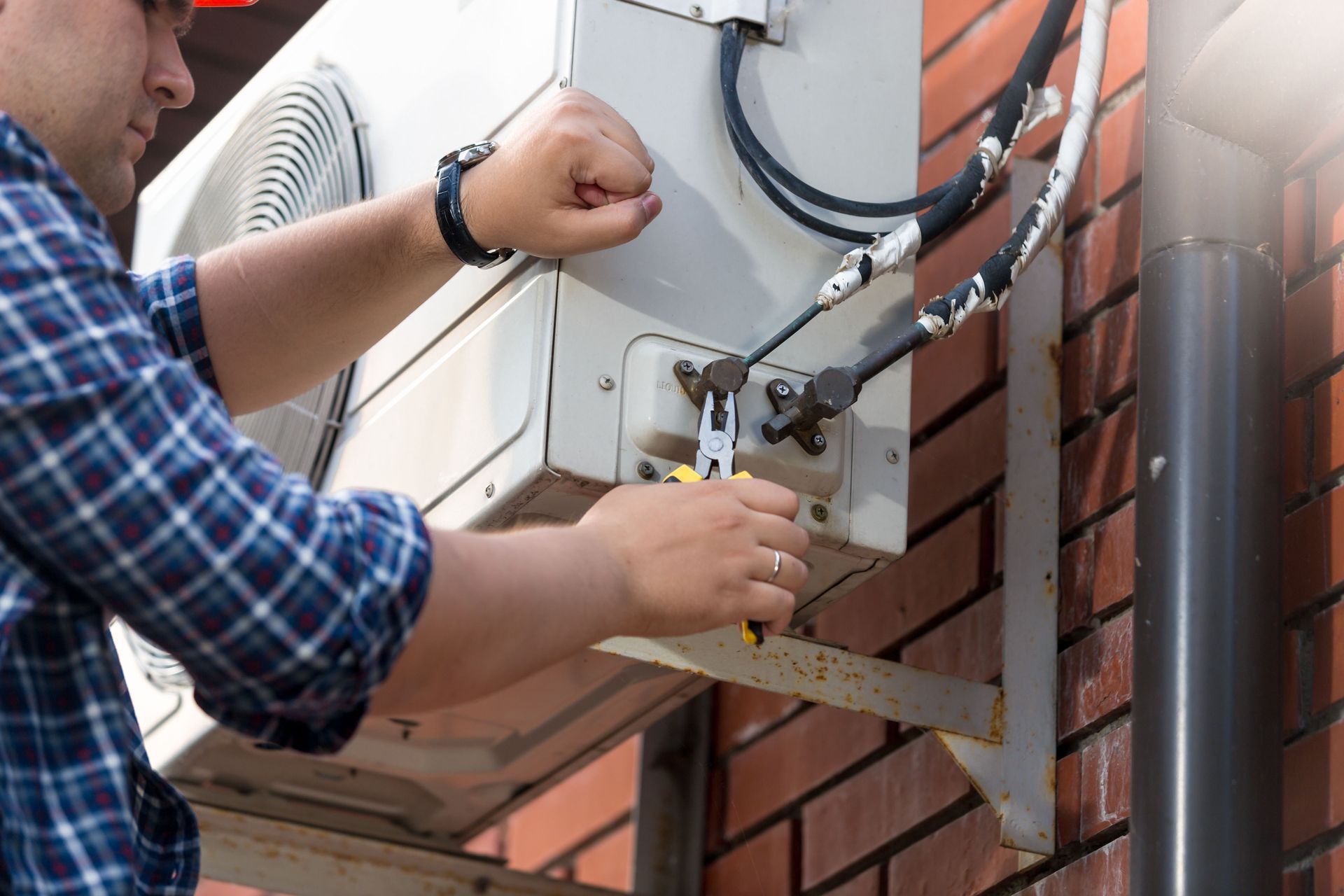
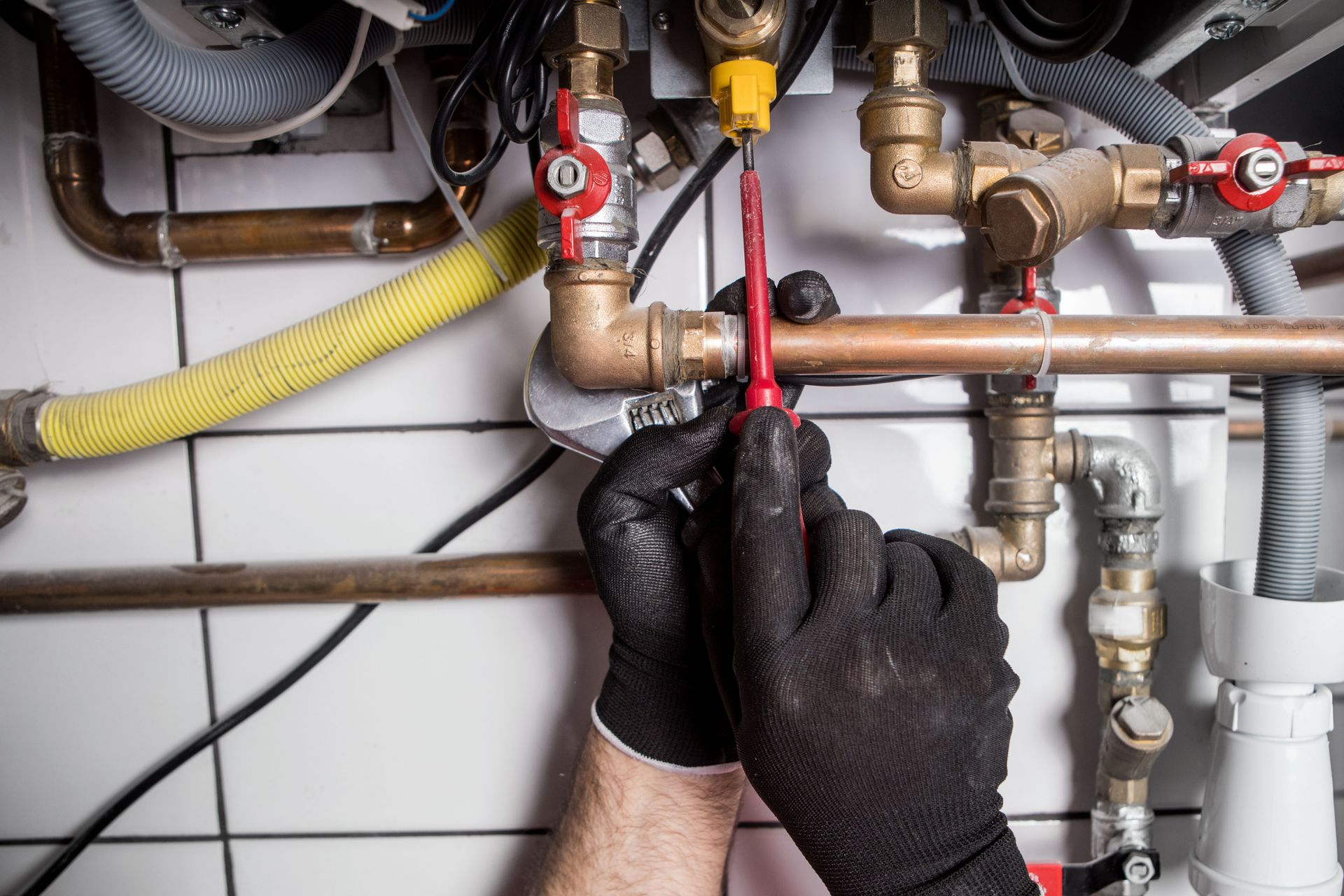
Accurately diagnosing HVAC concerns requires special knowledge and proper testing. Professional technicians can evaluate system performance, identify underlying problems, and recommend appropriate repair or replacement options based on the equipment's condition. Their experience helps homeowners understand available solutions without relying on guesswork.
Whether the concern involves heating, cooling, airflow, or air duct repairs, professional service helps determine the right approach. A thorough evaluation ensures recommendations are based on the specific needs of the HVAC system. This helps homeowners address problems effectively.