August 1, 2026
Maintaining a comfortable indoor environment depends on more than simply choosing a new cooling system. Equipment type, home size, existing ductwork, and comfort preferences can all influence the results. A well-planned air conditioner installation can improve temperature control while also helping reduce unnecessary energy use.
Homeowners today have several cooling options, ranging from traditional central air systems to ductless mini-splits and heat pumps. Each choice offers different advantages, so understanding how they compare can make the selection process easier. Considering efficiency, installation requirements, zoning needs, and operating costs can help homeowners choose a system that supports dependable comfort.
Choosing Central Air Conditioning for Whole-Home Comfort
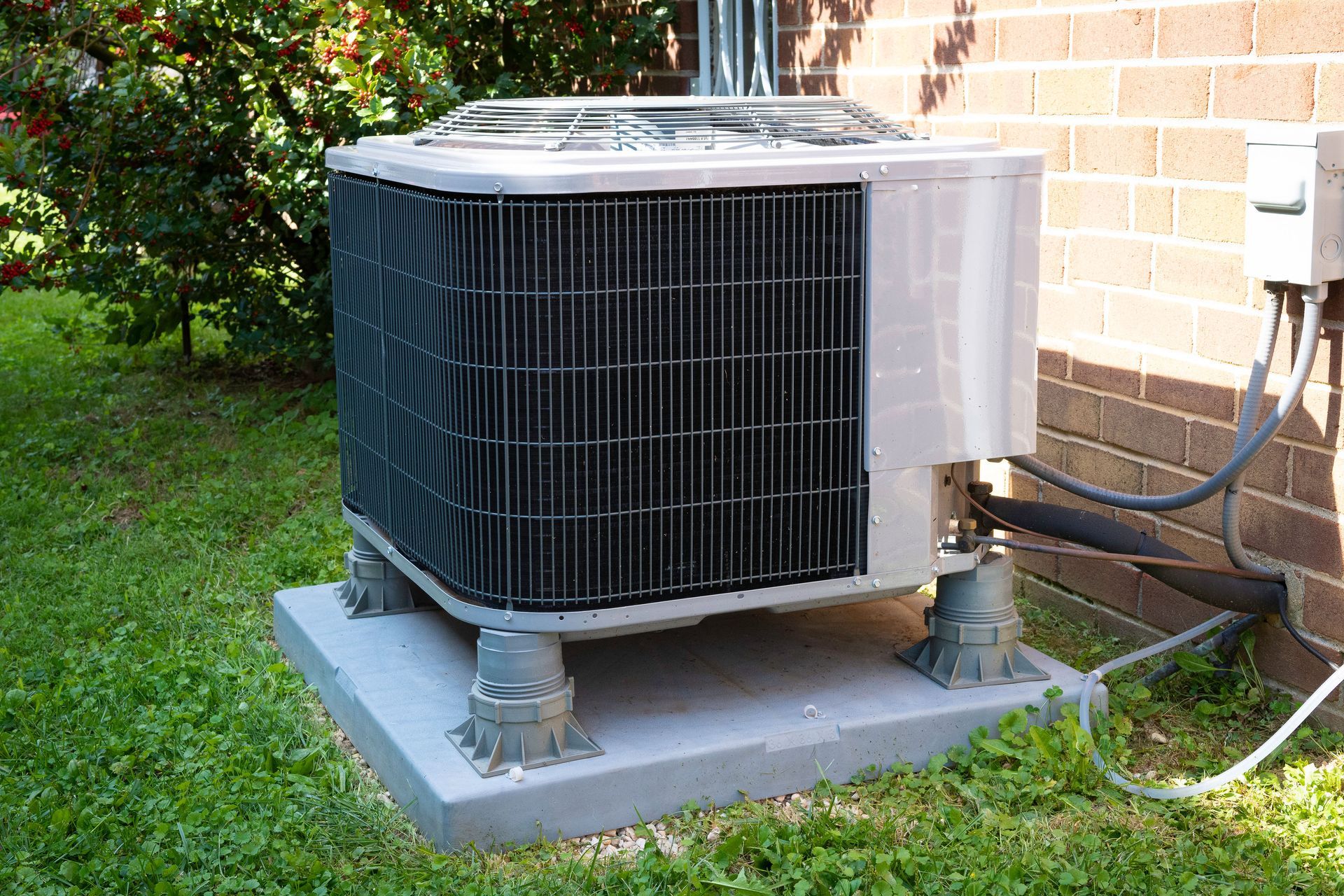
Central air conditioning remains a common option for homes with existing ductwork. These systems use a central indoor and outdoor unit to distribute cooled air through supply vents throughout the house. For homeowners who want consistent temperatures across multiple rooms, this air conditioner installation can provide an effective whole-home solution.
A central system can also work well when the home already has a forced-air heating system because much of the existing infrastructure may be suitable for cooling. However, the condition of the ducts matters. Leaks, poor insulation, or improperly sized ductwork can reduce performance and make the system work harder than necessary.
Proper sizing is also essential. A unit that is too small may struggle to reach the desired temperature, while an oversized unit can cycle on and off too frequently. Professional load calculations determine appropriate capacity based on square footage, insulation, windows, layout, and other factors affecting cooling demand.
Choosing Ductless Mini-Splits for Flexible Zoning
Ductless mini-split systems provide another option for homeowners who want greater control over individual rooms or areas. These systems include one outdoor unit connected to one or more indoor air handlers. Because they do not require traditional ductwork, they can be useful for older homes, additions, converted garages, or spaces where extending existing ducts would be difficult.
This type of air conditioner installation also supports zoning. Each indoor unit can typically be controlled separately, allowing occupants to adjust temperatures based on how different areas are used. That flexibility can reduce the need to cool unoccupied rooms and may improve overall energy efficiency.
Mini-splits can also be a practical solution for homes with persistent hot or cold spots. Instead of replacing an entire central system, homeowners may be able to target specific areas that need additional cooling. Indoor units should still be placed carefully so conditioned air circulates effectively without uncomfortable drafts.
Choosing Heat Pumps for Heating and Cooling Efficiency
Heat pumps are designed to provide both cooling and heating, making them a versatile option for year-round climate control. During warm weather, they operate similarly to traditional air conditioners by moving heat from inside the home to the outdoors. In cooler conditions, the process reverses, allowing the system to provide heat.
For homeowners considering a new air conditioner installation, a heat pump may offer an opportunity to replace separate heating and cooling equipment with one system. This can simplify maintenance while providing efficient performance in many climates. Modern heat pumps are available in both ducted and ductless configurations, which gives homeowners flexibility based on their existing setup.
Efficiency should be evaluated alongside climate, utility rates, and household needs. Some homes may benefit from supplemental heat during colder weather. A professional can review the home's existing equipment and recommend a configuration that balances comfort with operating efficiency.
Choosing High-Efficiency Equipment for Lower Energy Use
Energy efficiency is an important consideration when replacing an older cooling system. Newer equipment is designed to deliver more cooling while using less electricity than many older units. According to the Department of Energy, a new air conditioner can reduce cooling costs by 20% to 40%. That potential savings makes efficiency important to the air conditioner installation decision.
Seasonal Energy Efficiency Ratio 2, commonly called SEER2, is one measure used to compare cooling efficiency. In general, a higher SEER2 rating indicates greater efficiency, although the most appropriate system depends on the home's needs and budget. Higher-efficiency models may also include features such as variable-speed compressors, advanced fan controls, and improved humidity management.
Efficiency depends on installation quality and equipment ratings. Even a high-performing system can waste energy if airflow is restricted, refrigerant levels are incorrect, or ductwork is poorly sealed. Careful setup helps the equipment operate closer to its intended performance level.
Choosing the Right System Size for Consistent Performance
System size is one of the most important factors in cooling performance. Homeowners may assume that a larger unit will cool the house more effectively, but excess capacity can create its own problems. Oversized systems may cool the air quickly without running long enough to remove adequate humidity, leaving the home feeling cool but damp.
An undersized system can also cause problems because it may run almost continuously during hot weather. This can increase energy use, place additional stress on components, and make it difficult to maintain the desired indoor temperature. A properly sized air conditioner installation helps balance cooling capacity, humidity control, and energy consumption.
Load calculations consider more than square footage. Ceiling height, orientation, insulation levels, window exposure, air leakage, occupancy, and local climate can all influence the amount of cooling a home requires. Evaluating these factors helps reduce guesswork and supports more consistent system performance.
Choosing Installation Features for Better Indoor Comfort
Comfort can be influenced by several details beyond the main cooling equipment. Thermostat controls, air filtration, humidity management, duct sealing, and zoning features can all affect how the system performs day to day. Planning these details during air conditioner installation can help create a more complete comfort solution.
Programmable and smart thermostats can help homeowners adjust cooling schedules around daily routines. Some systems also support remote controls, occupancy settings, or room-specific temperature adjustments. These features can reduce unnecessary cooling while making it easier to maintain comfortable conditions when people are home.
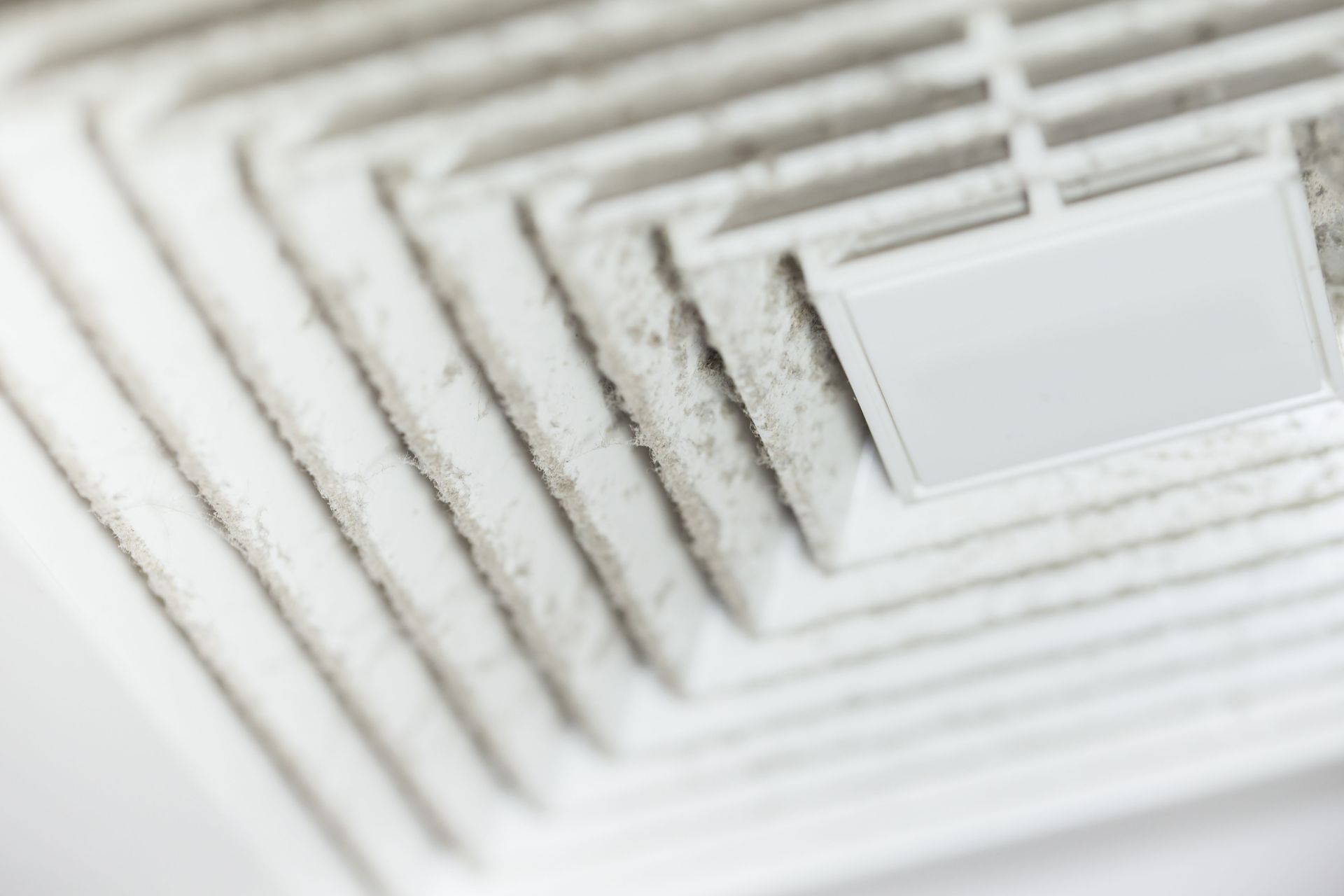
Indoor air quality features may also be considered during installation. Improved filtration can help capture airborne particles, while dehumidification features can make warm-weather conditions feel more comfortable. In homes with ductwork, sealing leaks can improve airflow and reduce the loss of conditioned air into attics, crawl spaces, or other unconditioned areas.
Choosing Professional Installation for Long-Term Results
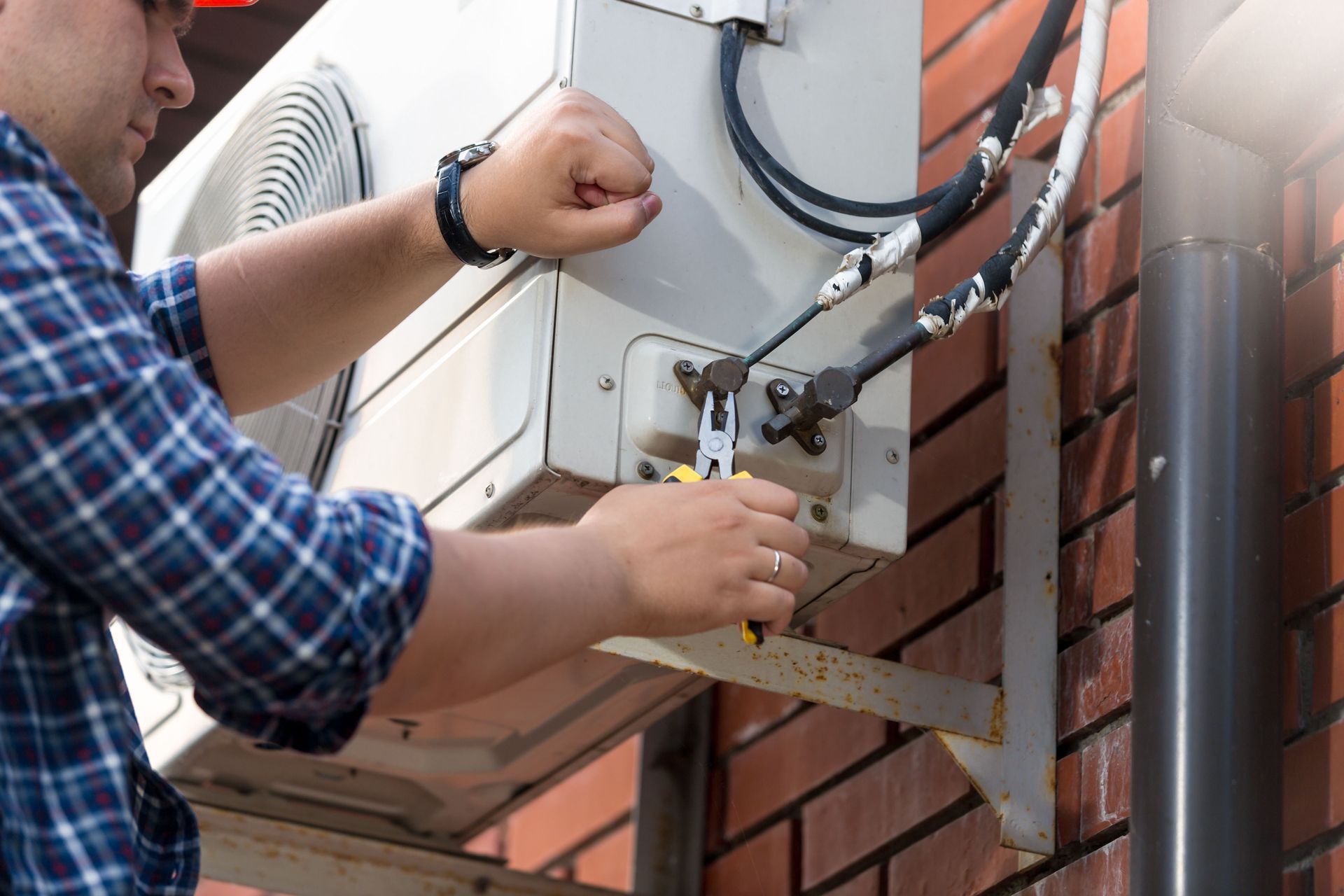
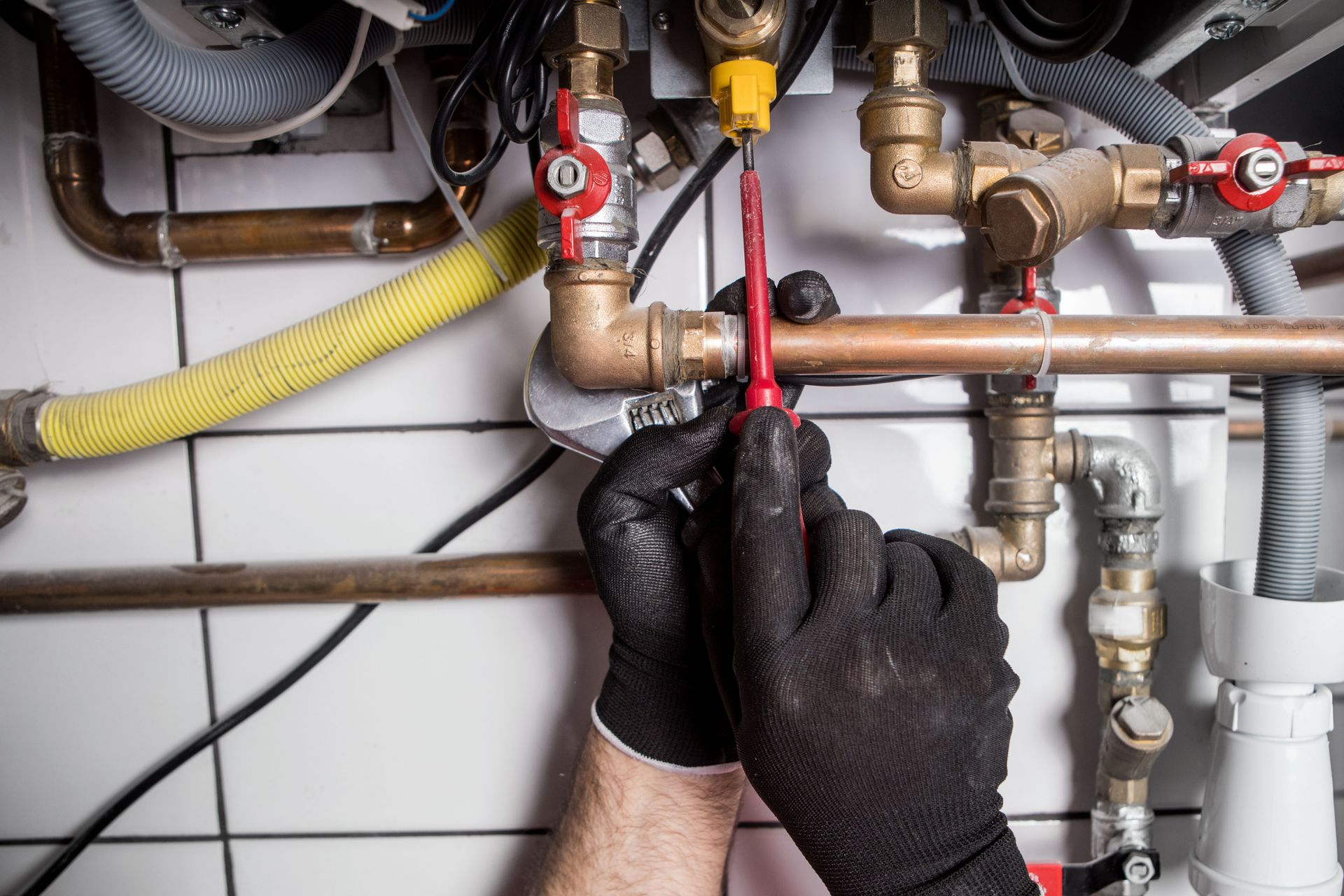
The performance of a cooling system depends heavily on how it is installed. Equipment selection is only one part of the process. Refrigerant charging, electrical connections, condensate drainage, thermostat setup, airflow testing, and system commissioning all require careful attention.
A professional
air conditioner installation also provides an opportunity to identify issues that could interfere with performance. Contractors can inspect ductwork, electrical capacity, equipment placement, and drainage requirements before the new system is put into service. Addressing these details early can help reduce the risk of avoidable operating problems.
Homeowners should also ask about maintenance requirements and filter replacement schedules after installation. Routine maintenance helps keep coils clean, airflow unobstructed, and components operating properly. Keeping up with these tasks can support efficiency and may help extend equipment life.
Choosing the right cooling system involves balancing comfort, efficiency, budget, and the home's existing infrastructure. Central air, ductless mini-splits, heat pumps, and high-efficiency systems can all be effective when matched to the right application. Careful planning and professional installation help homeowners get more consistent performance from their investment while reducing unnecessary energy use over time.
Call Comfort Zone Air Conditioning & Heating LLC today to schedule your heating or cooling service.