May 21, 2026
In today's rapidly evolving world, maintaining a comfortable indoor environment has become a necessity for most households and businesses. Modern air conditioner (AC) systems have emerged as pivotal devices in achieving this comfort by providing efficient cooling solutions. As climate change continues to alter environmental conditions, there is a growing demand for AC systems that not only ensure comfort but also operate sustainably. This article will explore the myriad benefits of installing a modern AC system and its implications for cost savings, environmental health, and overall lifestyle improvement. From technological advancements to future trends, we will discover why investing in modern air conditioners is a prudent decision today.
Advancements in AC Technology
Energy-Efficient Compressor Technologies
The advancements in air conditioning technology have led to the development of highly energy-efficient compressor systems. These new compressors use variable speed technology, which allows air conditioners to operate at varying capacities based on the cooling needs. This ensures that energy is not wasted and the unit does not run at full power at all times, thus maximizing efficiency. As a result, households can expect to see a significant reduction in their electricity bills, saving money while keeping the environment cooler. Furthermore, these systems are designed to be robust, ensuring longevity and consistent performance.
Smart Thermostats and Home Integration
Another notable innovation in modern AC systems is the integration of smart thermostats. These devices allow users to control their cooling system remotely, offering convenience and personalized settings. By utilizing home integration features, users can automate temperature control to match their schedules, avoiding unnecessary energy usage. This smart technology can be integrated with other home systems, creating a seamless and efficient household operation. What makes this even more compelling is the adaptability to existing smart home ecosystems, making it efficient and user-friendly.
Enhanced Filtration Systems
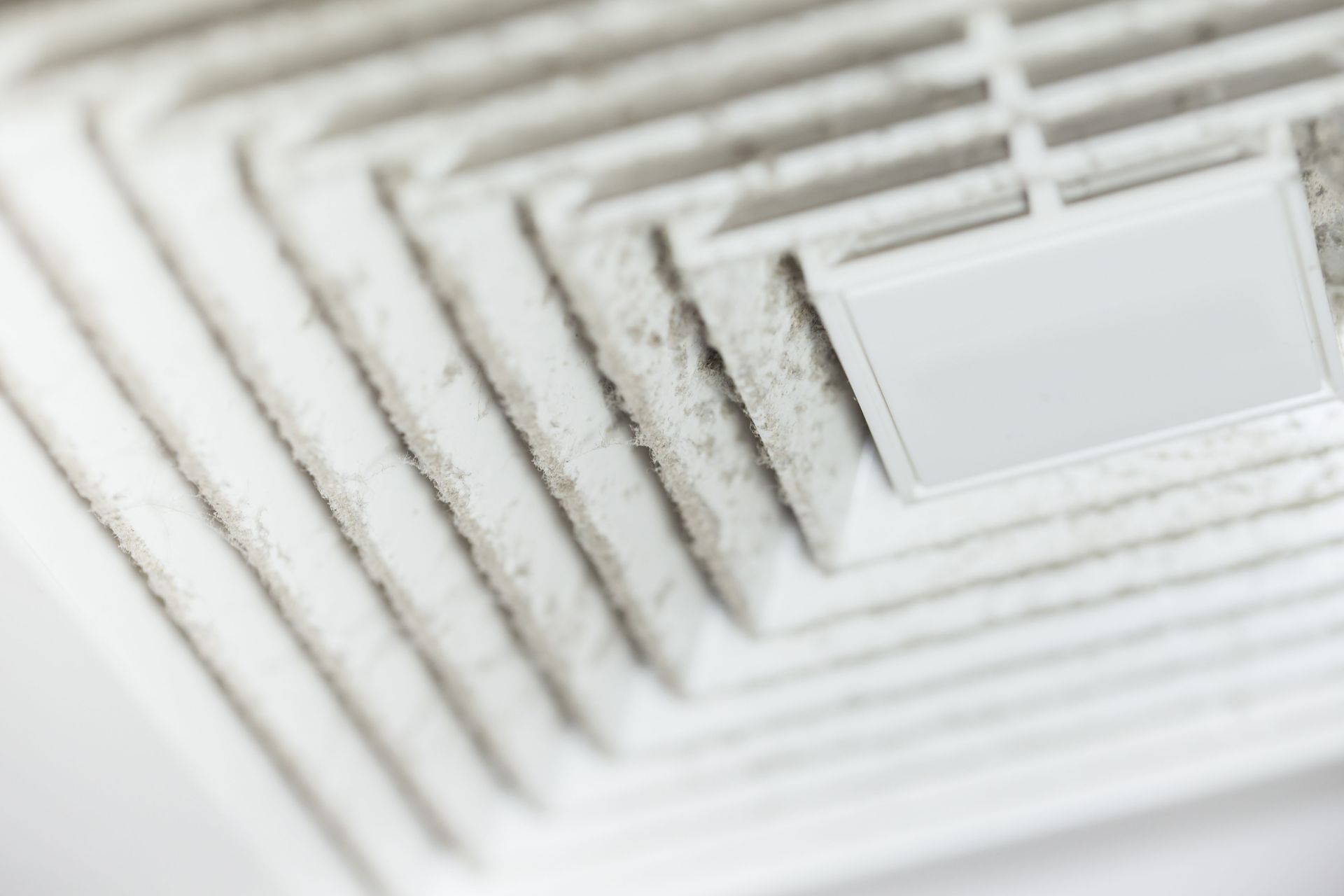
Enhanced filtration systems within modern AC units have redefined indoor air quality standards. These sophisticated filters capture a wide range of pollutants, including dust, pollen, and other allergens, contributing to a healthier indoor environment. By removing airborne particles, these systems minimize health complications, particularly for individuals with respiratory issues. The technology also prevents mold and bacteria build-up, ensuring longevity and consistent performance of the unit. Enhanced filtration not only improves the air quality but also extends the life of the AC system by keeping it clean and efficient.
Cost Savings of Modern AC Systems
Lower Electricity Bills
One of the most compelling benefits of modern air conditioners is their ability to significantly reduce electricity bills. By harnessing cutting-edge technologies such as variable-speed compressors and smart thermostats, these systems consume less electricity compared to older models. This is echoed in the fact that, according to the Department of Energy, a new air conditioner can save cooling costs by 20 to 40%. Therefore, the investment in a modern AC system can be quickly recouped through energy savings. Not only does this result in financial savings, but it also lessens the carbon footprint through reduced energy consumption.
Longer Lifespan of Modern Units
The durability of modern air conditioners has seen substantial improvements, which contribute to a longer operational lifespan. The integration of advanced technologies such as self-diagnostic systems and reliable components ensures routine check-ups are simple and effective. With proper maintenance, these systems can last significantly longer than older counterparts, which often suffer from wear and tear. The payoff is a prolonged period of energy-efficient performance without the need to invest in replacements frequently. Such longevity affirms the cost-effectiveness of these new systems, ensuring value for money over time.
Rebates and Incentives for Energy-Efficient Units
Many governments and utility companies offer rebates and incentives to encourage the adoption of energy-efficient AC systems. These financial perks can significantly reduce the initial cost of purchasing a new unit, making it an attractive option for homeowners and businesses. Such programs are designed to promote sustainability by reducing overall energy consumption and incentivizing consumers to upgrade to more efficient systems. By taking advantage of these opportunities, consumers can upgrade their AC systems affordably while contributing to environmental conservation efforts. The availability of rebates and incentives underscores the economic advantage of transitioning to modern AC technologies.
Environmental Benefits
Reduced Carbon Footprint
Modern air conditioners significantly contribute to reducing the overall carbon footprint, aligning with global sustainability goals. By operating more efficiently and consuming less energy, these systems emit fewer greenhouse gases. This reduction in carbon footprint aids in mitigating the impacts of climate change while providing the necessary cooling. The shift towards eco-friendly refrigerants further amplifies this contribution, replacing chemicals that were previously harmful to the environment. Collectively, these developments underscore the commitment to creating a balance between modern comfort and environmental stewardship.
Use of Eco-Friendly Refrigerants
The transition to eco-friendly refrigerants is a major environmental stride in AC technology. Traditionally, the refrigerants used in AC systems posed risks to the ozone layer and contributed to global warming. Modern systems now leverage refrigerants with lower GWP, reducing harmful emissions and shrinking the system's ecological impact. Regulatory compliance globally has also pushed this agenda, ensuring that new installations adhere to stringent environmental standards. The adoption of eco-friendly refrigerants not only benefits the environment but also aligns with increasingly eco-conscious consumer preferences.
Minimized Energy Consumption
Energy consumption can have a significant environmental impact, and modern AC systems are engineered to minimize this effect. Through the use of smart technology and high-efficiency components, these systems optimize energy usage to the fullest. This not only lowers energy costs but also reduces the demand on power plants, thereby lessening the environmental strain created by energy production. The energy savings garnered by modern AC systems contribute to broader conservation efforts, emphasizing their role in sustainable development. As technology progresses, further reductions in consumption are anticipated, enhancing their green credentials.
Installation and Upgrading Considerations
Choosing the Right System for Your Home
Selecting the appropriate air conditioners is a critical step in ensuring optimal performance and comfort. Factors such as size, capacity, and features should be considered when choosing a new system, ensuring it meets the specific needs of the home. Without the correct sizing and design, owners may face inefficiencies and potentially higher operating costs. It is essential to seek professional advice to evaluate these factors accurately. Doing so ensures that the system selected is not only efficient but also tailored to the unique specifications of your living space.
Professional vs. DIY Installation
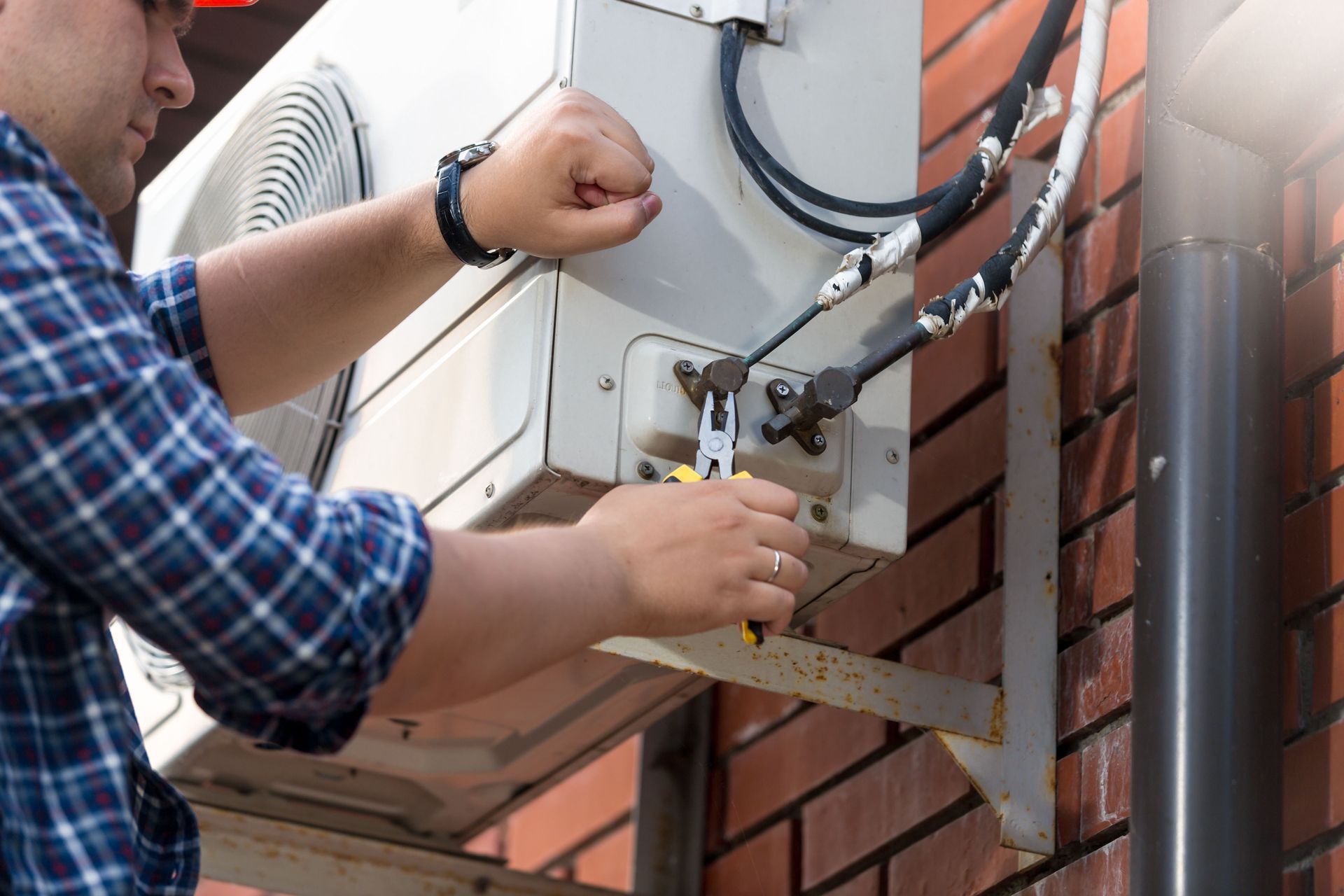
When it comes to installing a modern AC system, homeowners often face the choice between professional and DIY installation. While DIY methods may appear cost-effective, the intricacies of installation demand a professional touch for most systems. Professional installation ensures the system is correctly fitted, calibrated, and optimized for performance. Moreover, warranties and guarantees are often contingent upon professional installation, safeguarding the investment in case of system failures. Though the upfront cost might be higher, professional installation typically offers a greater return on investment by maximizing system efficiency and lifespan.
Considerations for Integrating with Existing Systems
Integrating a new AC system with existing home systems requires careful consideration and planning. Compatibility with current infrastructure, such as ductwork and electrical systems, determines the ease and cost-effectiveness of installation. Consultations with professionals can identify hurdles and solutions to create a seamless integration between the new and existing systems. This not only minimizes disruption but also maximizes efficiency and performance. Ensuring full integration provides a comprehensive, future-ready climate control system that leverages all modern capabilities.
Modern air conditioners provide a multitude of benefits that go beyond traditional cooling. With advancements in technology, energy efficiency, environmental sustainability, and improved comfort, the value of modern AC systems is undeniable. The integration of smart features and new technology ensures that these systems are poised. To get started on installing or finding the best AC system for you, the experts at Comfort Zone Air Conditioning & Heating LLC are happy to help.