
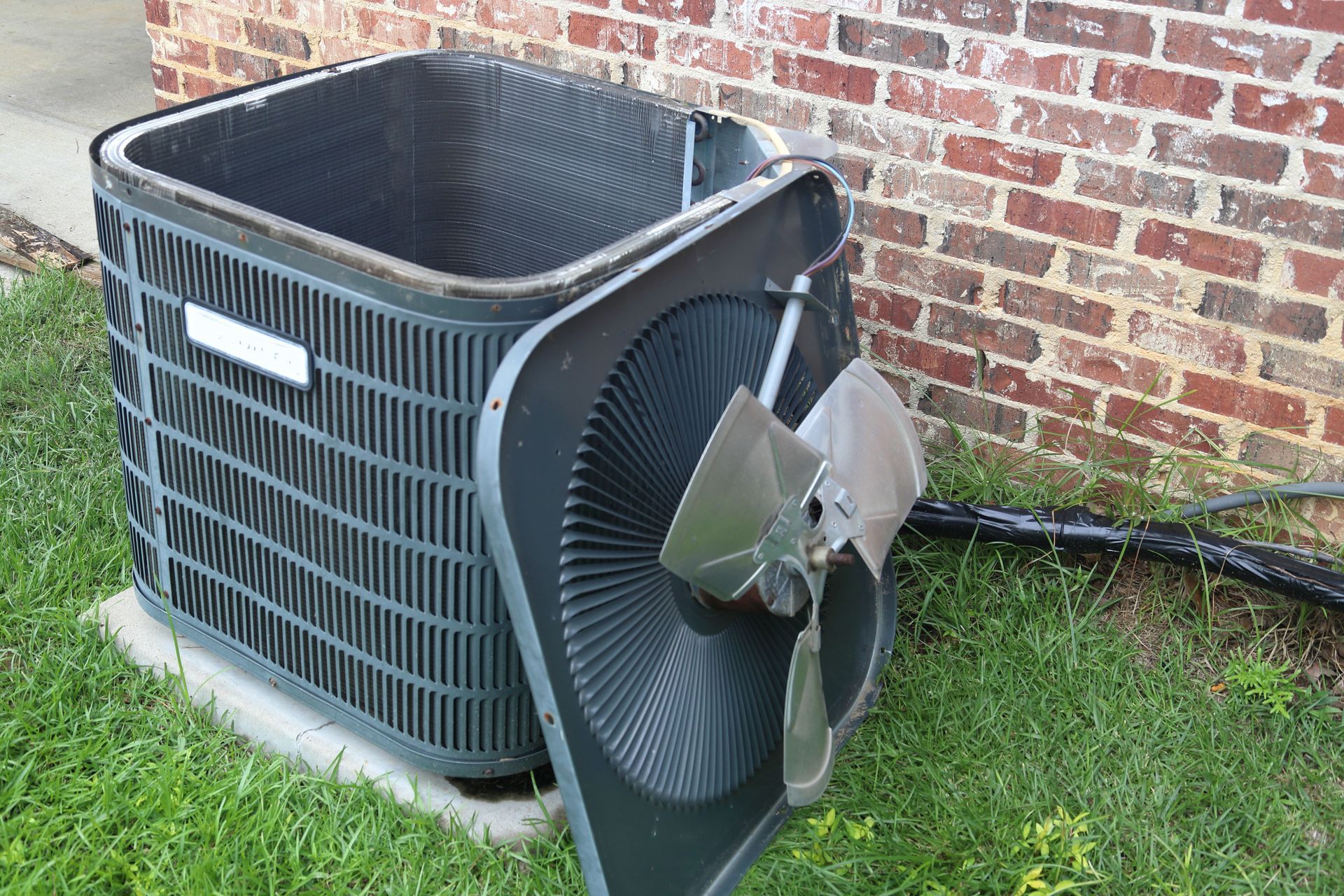
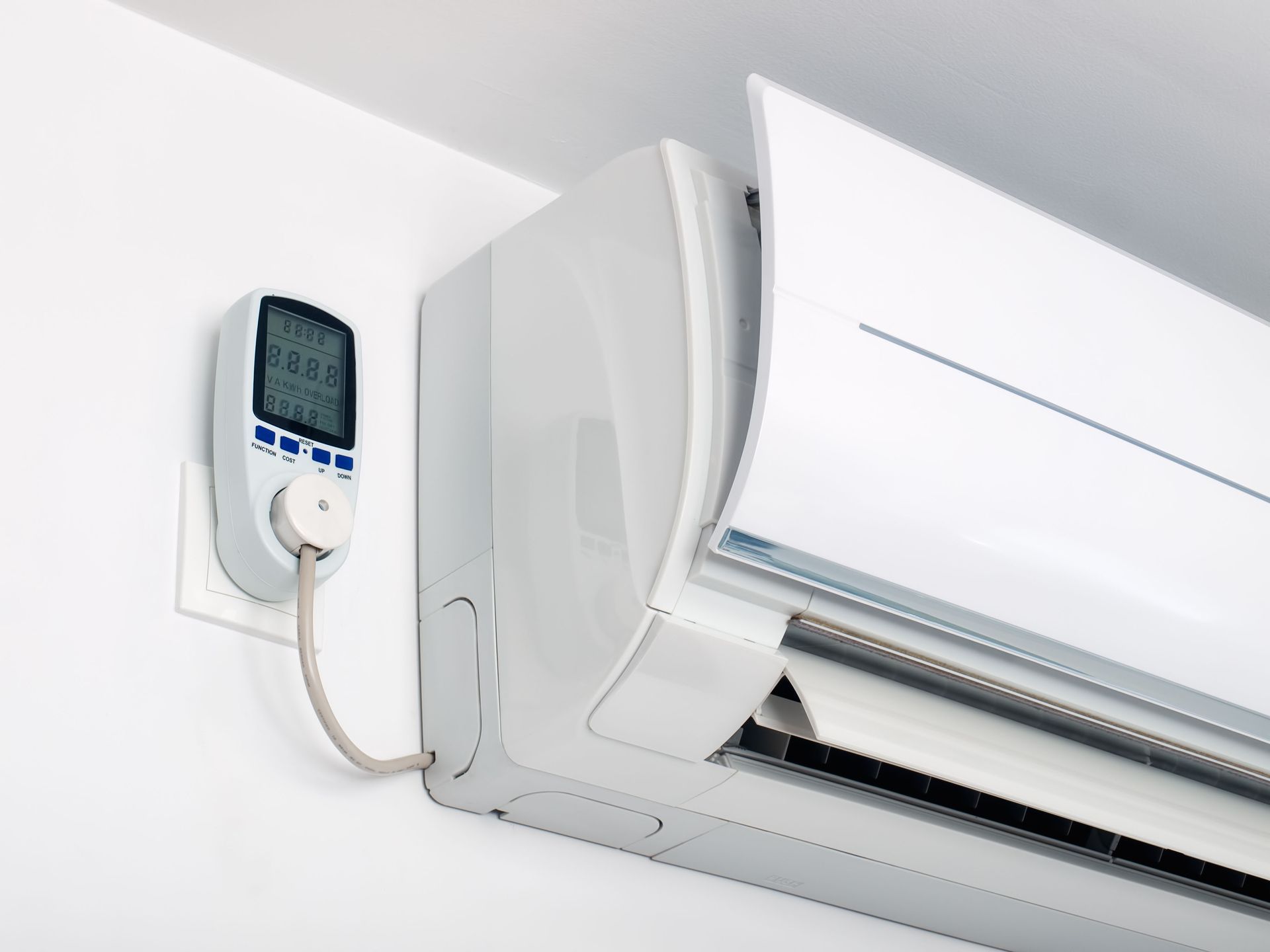
Keeping your air conditioning system running efficiently requires more than occasional repairs. One of the most important aspects of air conditioner maintenance is ensuring that the evaporator and condenser coils remain clean and functional. These components play a critical role in regulating indoor temperatures, managing energy consumption, and maintaining reliable cooling performance. At Comfort Zone Air Conditioning & Heating LLC, we understand how important a dependable cooling system is for your home's comfort. Dirty coils can reduce efficiency, increase energy costs, and contribute to unexpected breakdowns. Understanding why professional coil cleaning matters can help homeowners make informed decisions about protecting their cooling equipment. Understanding the Importance of AC Coils How Evaporator Coils Absorb Heat Evaporator coils are located inside your air conditioning system's indoor unit. Their primary function is to absorb heat from indoor air as refrigerant circulates through the coils. This process allows your cooling system to lower indoor temperatures and maintain a comfortable environment. When dirt and debris accumulate on evaporator coils, heat transfer becomes less efficient. Your system may need to operate longer to achieve the desired temperature, increasing energy consumption and placing additional strain on essential components. How Condenser Coils Release Heat Condenser coils are typically located in the outdoor unit. They release the heat absorbed from inside your home into the surrounding outdoor environment. This process is essential for completing the refrigeration cycle and maintaining consistent cooling. Because outdoor units are exposed to dust, grass clippings, leaves, and environmental debris, condenser coils can become dirty over time. Professional air conditioner maintenance helps prevent buildup from interfering with the system's ability to release heat effectively. How Both Coils Support Cooling Efficiency Evaporator and condenser coils work together to transfer heat and maintain comfortable indoor temperatures. When either component becomes obstructed, the entire cooling process can suffer. Clean coils allow refrigerant to absorb and release heat more effectively. This supports consistent cooling, reduces unnecessary system strain, and helps equipment operate closer to its intended efficiency. Recognizing the Consequences of Dirty AC Coils Higher Energy Bills and Reduced Efficiency Dirty coils create resistance to effective heat transfer, forcing air conditioning equipment to work harder. As operating cycles become longer, electricity consumption may increase. Homeowners sometimes notice higher utility bills without making significant changes to their thermostat settings. Although several factors can contribute to increased energy costs, neglected coils are a potential cause. Scheduling professional air conditioner maintenance allows technicians to evaluate coil cleanliness and identify other conditions affecting system efficiency. Increased Wear and Unexpected Breakdowns When cooling equipment operates under unnecessary strain, important components may experience accelerated wear. Dirty condenser coils can contribute to excessive operating temperatures and pressures, potentially affecting compressor performance. Similarly, restricted heat transfer at the evaporator coil may contribute to freezing and cooling interruptions. These conditions can eventually require professional repairs. Routine inspections help technicians recognize developing problems before they result in inconvenient system failures during periods of high cooling demand. Uncomfortable Temperatures and Excess Humidity An air conditioner with dirty coils may struggle to maintain consistent indoor temperatures. Certain rooms might feel warmer than expected, even when the system runs continuously. Cooling equipment also helps remove moisture from indoor air. When system performance deteriorates, humidity control may become less effective, leaving your home feeling uncomfortable. Professional inspections can determine whether dirty coils, airflow restrictions, or other mechanical problems are contributing to these conditions. Exploring the Benefits of Professional AC Coil Cleaning Improved Cooling Performance and Energy Efficiency Clean coils support effective heat exchange, allowing your air conditioning system to cool indoor spaces without unnecessary operating strain. Professional cleaning removes accumulated contaminants that interfere with performance. When combined with other appropriate maintenance services, this can help restore cooling efficiency and potentially reduce energy consumption. At Comfort Zone Air Conditioning & Heating LLC, we emphasize preventive care because addressing minor performance concerns early can help homeowners avoid larger problems. Longer Equipment Life and Fewer Repairs Regular air conditioner maintenance can help protect your investment by reducing avoidable wear on mechanical components. When coils remain clean, the system can operate under more favorable conditions. Although no maintenance program can prevent every breakdown, professional servicing provides opportunities to identify deteriorating components, airflow concerns, and developing mechanical problems. Consistent care may also help delay premature equipment replacement, allowing homeowners to receive greater value from their existing cooling systems. Better Comfort and Moisture Management Properly maintained cooling equipment can provide more consistent temperatures and support effective indoor humidity control. Keeping evaporator coils clean also helps limit the accumulation of contaminants on these surfaces. However, indoor air quality depends on several additional factors, including ventilation, filtration, moisture conditions, and overall system cleanliness. Professional service can address coil conditions while evaluating other equipment issues that may affect household comfort. Understanding When AC Coils Need Professional Cleaning Following Annual Cleaning Recommendations Establishing a regular maintenance schedule is an important part of protecting cooling equipment. According to This Old House, your AC unit's evaporator and condenser coils need to be cleaned at least once a year. This recommendation highlights the importance of preventing accumulated dirt and debris from interfering with cooling performance. Annual air conditioner maintenance provides an opportunity for qualified technicians to inspect both coils, assess their condition, and perform appropriate cleaning. Considering Environmental and Usage Conditions Not every air conditioning system experiences the same amount of contamination. Homes near construction activity, heavily landscaped properties, and locations with significant airborne dust may experience faster debris accumulation. Systems that operate extensively throughout warm weather may also require closer attention than equipment used less frequently. A professional technician can recommend a suitable service schedule based on equipment condition, operating demands, and the surrounding environment. Identifying Warning Signs Between Visits Several symptoms may indicate that your air conditioning system needs professional attention. Reduced airflow, unusually long cooling cycles, rising energy bills, and inconsistent temperatures can all signal performance problems. Ice accumulation, unusual noises, and persistent moisture concerns also warrant evaluation. However, these symptoms do not necessarily mean dirty coils are the only problem. Professional diagnosis helps identify the underlying cause rather than relying on assumptions that could delay necessary repairs. Understanding the Value of Professional Coil Cleaning Protecting Sensitive Cooling Components Air conditioning coils contain delicate fins and refrigerant tubing that can be damaged by improper handling. Certain cleaning chemicals and excessive water pressure may also harm equipment. Professional technicians understand how to select appropriate cleaning methods based on coil design, material compatibility, and manufacturer recommendations. Choosing qualified service providers helps protect sensitive components while ensuring that cleaning procedures address the actual condition of the equipment. Identifying Additional System Problems Coil cleaning is only one part of comprehensive air conditioner maintenance. During a professional service appointment, technicians may also evaluate airflow, condensate drainage, electrical connections, and other accessible components. These inspections can reveal issues that are not immediately apparent to homeowners. Identifying problems early may reduce the likelihood of unexpected cooling interruptions and expensive repairs. Professional evaluations also help distinguish ordinary dirt accumulation from mechanical conditions requiring specialized attention. Supporting Reliable Long-Term Performance A consistent professional maintenance schedule offers benefits beyond cleaner coils. Regular inspections help establish a clearer understanding of equipment condition and provide opportunities to address performance changes. For homeowners, this approach supports more predictable cooling performance and better-informed decisions about repairs or eventual replacement. Working with an experienced HVAC company also provides access to professional recommendations tailored to your equipment and household cooling needs. Scheduling Professional AC Maintenance for Lasting Comfort Planning Service Before Peak Cooling Season Scheduling air conditioner maintenance before temperatures rise allows technicians to assess equipment before periods of heavy use. This timing can help identify dirty coils, restricted airflow, and developing mechanical concerns before cooling demand increases. Preventive appointments also give homeowners time to discuss recommended repairs or additional services without waiting for an unexpected breakdown. Choosing Comfort Zone Air Conditioning & Heating LLC At Comfort Zone Air Conditioning & Heating LLC, we believe dependable home comfort begins with attentive equipment care. Our team understands the importance of clean coils, efficient cooling, and professional system evaluations. Whether your air conditioner is showing signs of reduced performance or simply needs routine attention, professional service can help protect its reliability. Contact Comfort Zone Air Conditioning & Heating LLC to schedule an inspection and learn how regular coil cleaning and preventive maintenance can support comfortable indoor temperatures, efficient operation, and dependable cooling throughout the season.
Do you have questions about heating in the winter? Read this blog to learn about ideal winter thermostat settings for maximum comfort and low heating costs.
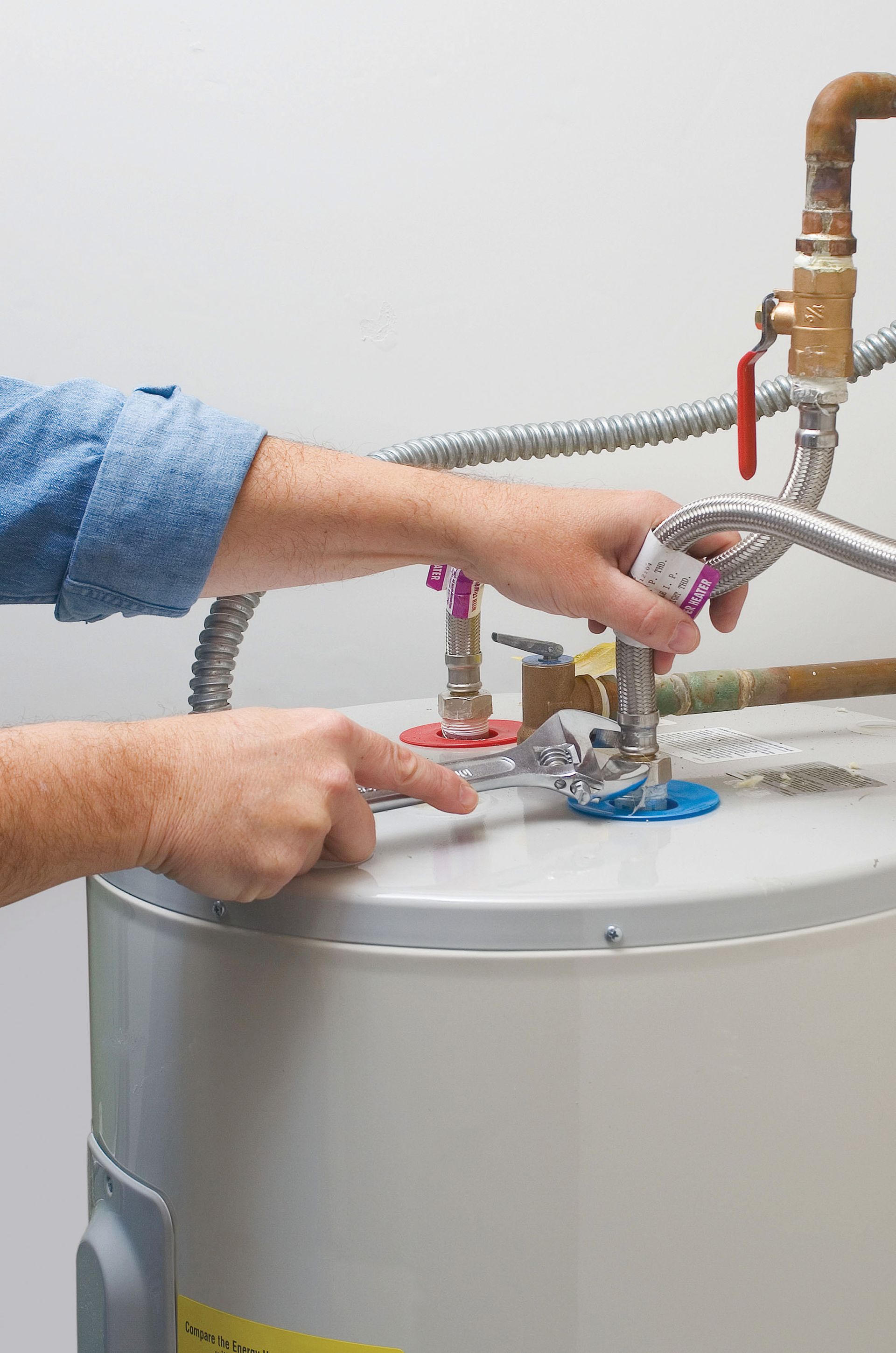
Contact All Advanced Fence, LLC today! Schedule a consultation for custom fence installations, property line assessments, and emergency heater repairs.